
What are the symptoms of cocaine addiction
Cocaine addiction symptoms appear quickly due to the stimulating nature of this drug, which leads to psychological and physical dependence in a very short period. The most prominent symptoms include:
- Noticeably increased activity and abnormal energy levels.
- False sense of power and self-confidence.
- Severe loss of appetite and rapid weight loss.
- Tension, irritability, and agitation when not using cocaine.
- Persistent pupil dilation.
- Insomnia and difficulty sleeping.
- Reckless and aggressive behaviors.
- In cases of chronic use: nasal ulcers or frequent bleeding (when snorting cocaine), heart problems, and limb tremors.
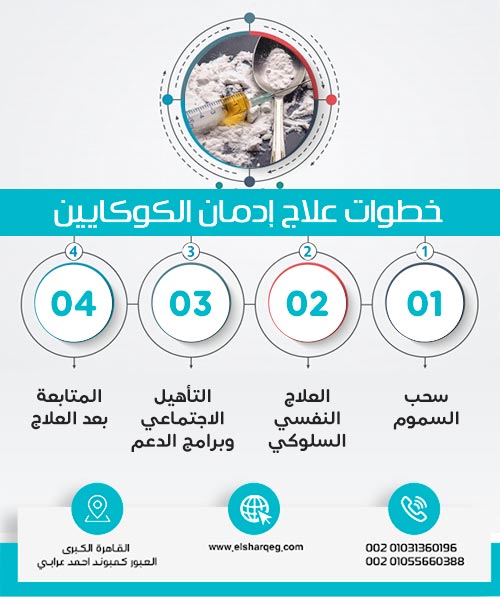
Steps for cocaine addiction treatment
Cocaine addiction treatment requires a comprehensive program including:
- Detoxification (removing cocaine from the body):
This phase takes place in a specialized addiction treatment center and lasts 5-10 days, safely managing withdrawal symptoms using supportive medications. - Psychological behavioral therapy:
The most important phase of cocaine addiction treatment; using Cognitive Behavioral Therapy (CBT) to correct addiction-related thoughts and behaviors, plus individual and group motivational therapy. - Social rehabilitation and support programs:
Help patients resume normal life and reintegrate into society while learning to manage stress without returning to cocaine. - Post-treatment follow-up:
To ensure continued recovery and prevent relapse through regular visits and support sessions.
Complications of cocaine addiction
- Serious heart disorders such as heart attacks and irregular heartbeat.
- Damage to blood vessels in the brain which may lead to strokes or brain hemorrhage.
- Severe respiratory problems when smoking cocaine.
- Destruction of nasal membranes and mouth when snorting or rubbing on gums.
- Severe psychological disorders such as depression, paranoia, hallucinations.
- Violent behaviors that may end in crimes or harm to self or others.
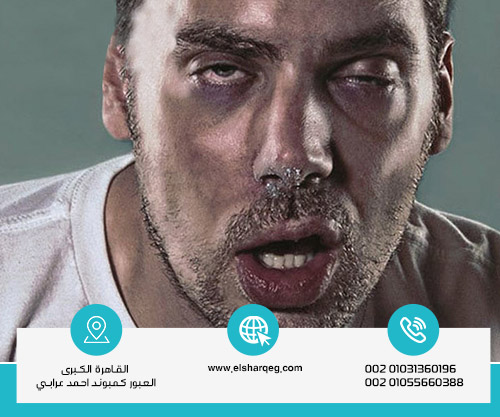
How to identify a cocaine addict
A cocaine addict can be identified through several clear signs, most importantly:
- Hyperactivity and difficulty sitting still.
- Unexplained aggressive or impulsive behavior.
- Constantly dilated pupils even in normal lighting.
- Noticeable weight loss in a short time.
- Excessive rapid or highly emotional speech.
- Appearance of ulcers or scaling in the nose or frequent bleeding.
- Tendency for isolation or disappearing for periods to obtain the drug.

Medications for cocaine addiction treatment
Currently, there are no specifically approved medications for treating cocaine addiction as with opioids, but doctors use certain supportive medications to alleviate withdrawal symptoms and support patients during cocaine addiction treatment stages, such as:
- Medications for treating depression and anxiety such as SSRIs (paroxetine or sertraline).
- Sleep aids such as temazepam for severe insomnia cases.
- In some cases, mood stabilizers and craving reducers like topiramate or baclofen are used, but always under medical supervision.
Can cocaine addiction be treated?
Yes, cocaine addiction can be effectively treated with complete recovery, provided adherence to a specialized treatment program combining drug detoxification, psychological rehabilitation therapy, and follow-up programs. Addiction treatment doesn’t rely solely on medication but on changing the patient’s entire lifestyle.
How long does cocaine addiction treatment take
How long does cocaine addiction treatment take in an organized schedule showing the main treatment phases and expected duration for each phase, in a professional style you can use directly in your article:
| Phase | Expected Duration | Details |
|---|---|---|
| Detoxification | 5 – 10 days | Safe cocaine removal under medical supervision to manage withdrawal symptoms. |
| Psychological therapy and rehabilitation | 1 – 3 months | Cognitive behavioral therapy sessions, group therapy, and social rehabilitation within a specialized addiction treatment center. |
| Ongoing follow-up and support | 6 months – 12 months or more | Follow-up visits and support sessions to maintain recovery and prevent relapse. |
Cocaine addiction treatment duration may vary from patient to patient depending on addiction duration, amount used, and health and psychological condition, but the longer the period of psychological rehabilitation for the addict and support, the better the chances of complete recovery and reducing relapse probability.
Methods to cleanse the body from cocaine
If by ‘body cleansing’ you mean accelerating cocaine elimination or circumventing tests, this isn’t possible through home remedies, herbs, or drinks; cocaine and its metabolites require time that varies depending on dosage, duration of use, and factors like age and liver and kidney health.
However, if the goal is safe detoxification as a step in cocaine addiction treatment, these are the best effective medical methods:
Detoxification program in a specialized addiction treatment center
Conducted under complete medical supervision in addiction treatment centers, including IV fluids and medications to reduce withdrawal symptoms, helping the body eliminate cocaine relatively safely and quickly.Good hydration and healthy nutrition
Drinking adequate amounts of water and healthy fluids (like natural juices) helps kidneys better eliminate waste, along with vitamin and mineral-rich diet to support liver and kidney function.Adequate sleep and rest
Good sleep improves the body’s ability to eliminate toxins and reduces stress and anxiety associated with withdrawal.Moderate exercise
After health stabilization, regular physical activity helps stimulate blood circulation and increase metabolism, contributing to faster drug residue elimination.Medical support for psychological symptoms
Since cocaine withdrawal causes severe psychological symptoms like depression and anxiety, treating them with appropriate medications under specialist supervision helps reduce psychological drug dependence, thus supporting recovery.
What about herbal remedies or popular products for cleansing cocaine from the body?
There is no scientific evidence proving the effectiveness of herbs or commercial products marketed as “blood cleansers” for drugs; they may actually harm the liver or kidneys and increase the danger of withdrawal symptoms during sudden cessation.
The best safe and effective way to cleanse the body from cocaine is to stop using and undergo a cocaine addiction treatment program in a specialized addiction treatment center like Al Sharq Addiction Treatment Center, where medical and psychological treatment is provided comprehensively to ensure safe detoxification and prevent relapse.

Methods of cocaine use
Addicts use cocaine through several methods, most importantly:
- Snorting (most common method): placing cocaine powder in the nose and inhaling it.
- Rubbing on gums: to increase absorption through blood vessels in the mouth.
- Smoking: by mixing with other substances.
- Intravenous injection: the most dangerous method of use, causing fatal complications.
Treatment of cocaine withdrawal symptoms
Treating withdrawal symptoms is an essential part of cocaine addiction treatment, symptoms include: severe fatigue, depression, strong drug cravings, anxiety, sleep disorders.
Treatment includes:
- Medications to relieve symptoms such as antidepressants or anti-anxiety medications.
- Individual and group psychological therapy programs.
- Continuous medical support in a specialized center to ensure safe passage through this phase.
Is cocaine a stimulant or narcotic
Cocaine is a powerful stimulant (not a depressant drug), which works by excessively stimulating the central nervous system, causing temporary increases in activity, energy, and attention, but later leads to severe depression and psychological disorders.
Penalty for cocaine use
In Egypt and many Arab countries, cocaine use is a crime punishable by imprisonment or fines, with increased penalties for possession with intent to trade or distribute. In Egypt, for example, laws stipulate penalties up to hard labor imprisonment in trafficking cases.
Cocaine withdrawal symptoms
Cocaine withdrawal symptoms include:
- Fatigue and severe depression.
- Strong and persistent drug cravings.
- Sudden increase in appetite.
- Disturbing dreams and severe insomnia.
- Severe anxiety and nervousness.
- Slow thinking and difficulty concentrating.
Symptoms usually begin hours after stopping, peak in the first 3 days, and psychological symptoms may continue for several weeks, which is why treatment in a reliable addiction treatment center is necessary.
Cocaine addiction treatment must be handled through specialized medical care combining detoxification, psychological therapy, behavioral rehabilitation, and long-term follow-up to prevent relapse, noting that family support plays a major role in treatment success.
Why does cocaine addiction treatment fail at home?
Home treatment for cocaine addiction fails in most cases for several fundamental reasons related to the nature of the drug itself and the severity of withdrawal symptoms, plus the absence of a safe therapeutic environment. The main reasons include:
1- Severity of psychological withdrawal symptoms
Cocaine is characterized by dangerous psychological withdrawal symptoms, such as severe depression, suicidal thoughts, severe anxiety, and compulsive drug cravings. Managing these symptoms requires specialized medical and psychological intervention, which cannot be provided at home.
2- Lack of continuous medical supervision
During cocaine addiction treatment, the patient needs careful monitoring by a medical team for early detection of any physical or psychological complications that may appear during detoxification. At home, symptoms may go unnoticed or be mishandled.
3- Easy access to cocaine again
Staying in the same environment where the person used drugs, with the same friends or relationships associated with addiction, greatly increases chances of relapse. While in addiction treatment centers, the patient is isolated from drug sources in a controlled environment.
4- Absence of psychological therapy and rehabilitation
Successful cocaine addiction treatment doesn’t just depend on detoxification; the patient needs deep behavioral psychological therapy to change addiction-related thinking and behavior patterns, which cannot be provided at home.
5- Family inability to handle relapse
If the patient relapses and resumes using during home treatment attempts, the family lacks the expertise or capabilities to act properly or control the situation, which may lead to serious complications such as overdose or violence.
6- Lack of support and follow-up programs
One of the most important factors in successful cocaine addiction treatment is having a long-term follow-up plan to support the patient and prevent relapse. At home, psychological support sessions or group therapy that help the patient maintain recovery cannot be provided.
Attempts to treat cocaine addiction at home usually end in failure because they lack specialized medical care, psychological therapy, safe therapeutic environment, and continuous follow-up provided by an addiction treatment center. Therefore, seeking help from a specialized addiction treatment center like Al Sharq Addiction Treatment Center is the best option for ensuring safe and permanent recovery.