
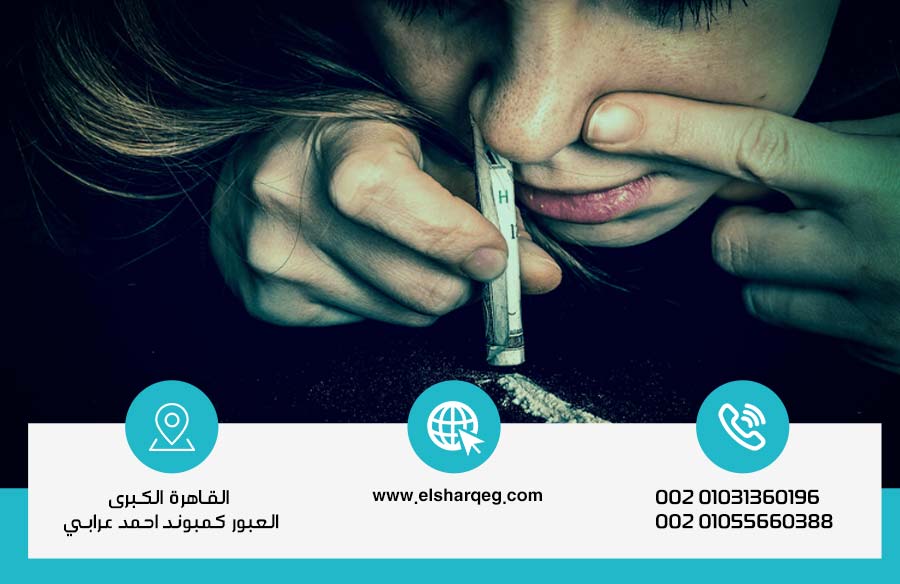
The harmful effects of cocaine addiction don’t stop at destroying physical health; they extend to the depths of the soul and mind, causing serious disruptions in the functions of the central nervous system and causing a person to lose control over their behavior, emotions, and psychological balance. Cocaine is one of the most dangerous types of drugs with a strong stimulant effect. With continued use, the brain begins to lose its ability to regulate emotions and neural responses, leading to severe mood swings, bouts of anger, chronic anxiety, and even hallucinations or detachment from reality.
In this article, we highlight the psychological and neurological harmful effects of cocaine addiction, revealing how this drug can rob a person of their will and turn their life into complete chaos. We also explore the role of specialized psychological treatment in restoring mental balance, and the importance of early intervention to save the addict before reaching stages of complete breakdown.
What is cocaine and how does it work?
Cocaine is a powerful stimulant extracted from the leaves of the coca plant and is classified as a highly potent central nervous system narcotic. Cocaine is considered one of the most dangerous drugs of all time, due to its rapid onset, addictive power, and serious psychological and neurological consequences.
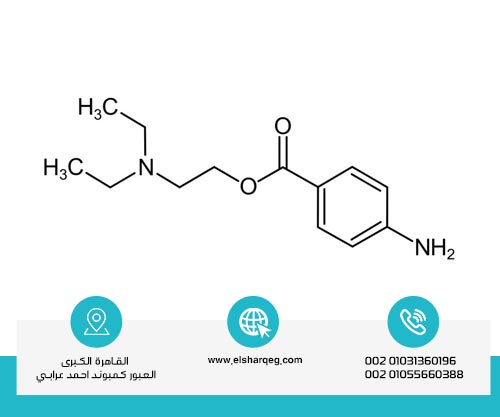
What is cocaine?
Cocaine is a fine, white powder that is most often snorted, but it can also be smoked or injected. In some cases, it is mixed with other substances to increase the amount or enhance the effect, increasing its danger. Cocaine is known for its powerful, temporary high and energy, but it quickly causes devastating psychological and physical effects.
How does cocaine work inside the body?
To understand what cocaine is and how it works, we must delve into the mechanism of its neurological effect:
- It prevents the reabsorption of neurotransmitters: such as dopamine, serotonin, and norepinephrine, which are responsible for feelings of happiness, motivation, and alertness.
- It prevents the reabsorption of neurotransmitters: such as dopamine, serotonin, and norepinephrine, which are responsible for feelings of happiness, motivation, and alertness.
- Disrupts the natural chemical balance of the brain, which later leads to depression, anxiety, and nervous irritability.
- Increases blood pressure and heart rate: This puts users at risk of heart attacks or strokes.
The effect is short… but the consequences are long
Although cocaine’s effects typically last only 15 to 30 minutes, its effects on the nervous system and brain extend over long periods. With repeated use, the body becomes psychologically and physically dependent on it, and the user requires larger doses to achieve the same effect, which accelerates the dangerous cycle of addiction.
In conclusion, knowing what cocaine is and how it works is the first step to understanding its seriousness. It’s not just a temporary stimulant; it’s a chemical capable of destroying the nervous system, transforming a person’s life into a series of psychological delusions and nervous breakdowns unless addressed promptly with therapeutic intervention.
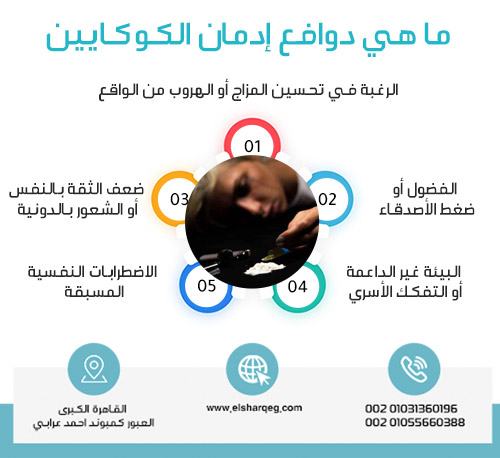
Causes of cocaine addiction and how to treat it
The motives behind cocaine addiction and how to treat them are vital topics that shed light on the true reasons behind falling into the trap of this dangerous drug, and how these causes can be overcome with a comprehensive treatment plan that addresses the individual psychologically and behaviorally, not just the physical. Understanding the motives behind addiction is the first step on the road to true recovery.
What are the Motives for Cocaine Addiction
The motivations for cocaine addiction vary from person to person, but they often revolve around a combination of psychological, social, and biological factors. The most prominent of these are:
1. The desire to improve mood or escape from reality
Cocaine causes a temporary feeling of happiness and euphoria, which makes some people use it to escape anxiety, depression, or life stresses.
2. Curiosity or peer pressure
Many addictions begin out of curiosity or a desire to experience something different, especially among young people and teenagers, or as a result of being influenced by bad friends.
3. Low self-confidence or feelings of inferiority
Some people turn to cocaine because they believe it improves social or sexual performance or gives them false confidence in front of others.
4. Unsupportive environment or family disintegration
A broken family or an unstable psychological and social environment increases the likelihood of resorting to cocaine as a source of temporary relief.
5. Pre-existing mental disorders
People suffering from chronic anxiety, obsessive-compulsive disorder, mood disorders, or psychological trauma are more likely to turn to addiction as a means of relieving their inner suffering.
How to Treat Cocaine Addiction
Cocaine treatment doesn’t just mean removing the drug from the body; it’s also crucial to address the psychological and behavioral factors that led to addiction in the first place. Successful treatment relies on a combination of psychiatry, behavioral therapy, and community support. The most effective treatment methods include:
1. Cognitive Behavioral Therapy (CBT)
It helps identify negative thinking patterns that trigger substance abuse, and reprograms behavioral responses to triggering situations.
2. Individual and group psychotherapy
It enables a person to understand their deep feelings, and deal with childhood issues or trauma, with group support from similar cases.
3. Safe medical detoxification
Under specialized medical supervision in an addiction treatment center, such as Al Sharq Center, to reduce withdrawal symptoms without complications.
4. Stress and pressure management
Through relaxation exercises, yoga, and breathing exercises, which help break the neural cycle associated with the desire to use drugs.
5. Family and community support
Successful treatment does not take place in isolation. Rather, the family must be involved and educated on how to deal with the addict after recovery.
Taking cocaine addiction seriously is what makes the difference between temporary recovery and true healing. The problem lies not only with the drug, but also with the internal motivations that drove the person to use it. This is where comprehensive treatment comes in, restoring mental and behavioral balance and laying solid foundations for lasting recovery.
If you or a loved one is suffering from cocaine addiction, don’t hesitate to seek help. The East Addiction Treatment Center offers programs designed to treat the causes, not just the symptoms.

Short-term effects of cocaine addiction
The short-term effects of cocaine addiction may initially seem unconcerning to some, but they are actually extremely serious, directly and rapidly affecting brain, heart, psychological, and behavioral functions. Cocaine produces a powerful stimulant effect as soon as it enters the body, providing a temporary sense of euphoria and energy. However, this effect quickly turns into severe disturbances that appear after almost every dose. Among the most notable short-term effects of cocaine addiction are:
1. High blood pressure and rapid heartbeat
Cocaine increases the activity of the sympathetic nervous system, leading to a significant increase in blood pressure and an increased risk of heart attack or stroke, even in young people.
2. Anxiety and extreme stress
Despite the initial feeling of euphoria, the user enters a state of anxiety, nervousness, and sometimes panic once the effect of the dose wears off.
3. Aggression and loss of control over behavior
Cocaine causes emotional and behavioral excitement, making a person appear overconfident and aggressive, which can lead to reckless and dangerous behavior.
4. Hallucinations and mental confusion
The user may experience seeing things that are not real, hearing voices, or experiencing episodes of paranoia and mania, which are severe psychotic symptoms.
5. Significantly decreased appetite
Cocaine suppresses appetite, leading to rapid weight loss and physical exhaustion.
6. Insomnia and difficulty sleeping
After taking cocaine, the addict finds it difficult to sleep for long hours and suffers from a disturbance in the sleep-wake cycle.
7. Compulsive desire to take more
One of the most serious short-term side effects of cocaine addiction is that its effects wear off quickly, prompting the user to take repeated doses over short periods of time, which accelerates the onset of severe addiction.
Important Warning:
The short-term effects of cocaine addiction should not be underestimated, as they can lead to serious complications within a few hours, such as:
- sudden cardiac arrest
- seizure or loss of consciousness
- Aggressive behavior that endangers personal and community life
For this reason, early therapeutic intervention, especially in specialized addiction treatment centers like Al Sharq Addiction Treatment Center, is essential to protect the user from sliding into complete addiction or experiencing a sudden health crisis.

Long-term effects of cocaine addiction:
While some of the effects of cocaine appear immediately after use, the long-term effects of cocaine addiction are far more lethal and dangerous, as they cumulatively affect the brain, heart, personality, and social life. With each dose, psychological and physical dependence on the drug increases, and returning to normal life becomes more difficult unless comprehensive and early treatment intervention is provided. The most prominent long-term effects of cocaine addiction include:
1. Permanent damage to the central nervous system
Repeated cocaine use disrupts levels of neurotransmitters such as dopamine, impairing pleasure and attention centers, and causing:
- loss of concentration
- poor memory
- Decision-making error
- Mental disorders that may lead to schizophrenia or chronic psychosis
2. Severe psychological disorders
Over time, psychological symptoms develop to include:
- severe and persistent depression
- suicidal tendencies
- anxiety and panic attacks
- lack of self-confidence
- Obsessive-compulsive disorder associated with drug use and fear of losing the drug
3. Cardiovascular diseases
Cocaine causes direct damage to the walls of blood vessels, leading to:
- narrowing of the arteries
- increased risk of stroke
- sudden heart attacks
- chronic cardiomyopathy
4. Destruction of the nose and respiratory system (in those who snort cocaine)
Prolonged use leads to:
- nasal septum erosion
- chronic sinusitis
- continuous bleeding
- A perforated septum is difficult to treat.
5. Complete psychological and physical addiction
With continued use, the user becomes unable to stop without medical intervention and suffers from:
- Compulsive desire to use drugs
- Painful cocaine withdrawal symptoms upon cessation
- severe mood swings
- Difficulty quitting without specialized support in addiction treatment centers
6. Deterioration in social and professional relationships
Cocaine addiction destroys social life, as it causes:
- recurring family problems
- expulsion from work or study
- Loss of trust between the addict and those around him
- getting into serious legal or financial trouble
Don’t underestimate the long-term effects of cocaine. The long-term effects of cocaine addiction don’t just affect the body; they destroy one’s personality and ruin their professional, emotional, and social future. Therefore, treatment must be comprehensive, combining safe detoxification with in-depth psychological and behavioral therapy, which is provided by specialized addiction treatment centers like Al Sharq Addiction Treatment Center. Each additional day of use is a step toward destruction, and every decision to seek treatment is a new beginning for a clean and safe life.
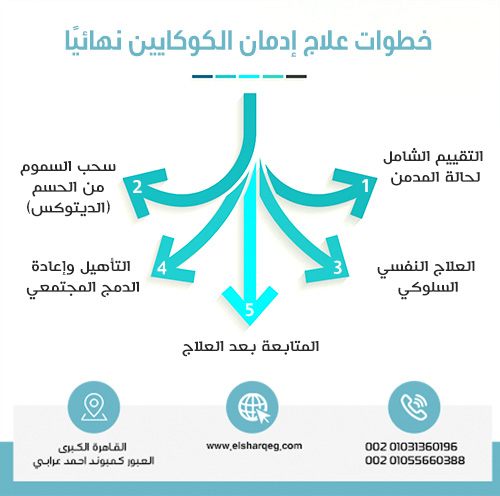
Steps to treat cocaine addiction permanently
Recovery from cocaine addiction cannot be achieved solely by willpower or abrupt cessation. Rather, it requires a comprehensive treatment plan that begins with detoxification, continues with psychotherapy, and ends with community rehabilitation and relapse prevention.
First: A comprehensive assessment of the addict’s condition
The steps for permanent cocaine addiction treatment begin with a comprehensive medical and psychological assessment, including:
- Medical history and drug use
- Psychological and behavioral symptoms
- The extent of physical dependence on the drug
- Presence of co-occurring mental disorders (such as depression or psychosis)
This assessment is the cornerstone in building an individual treatment plan tailored to each case.
Second: Detox phase
At this stage, cocaine is removed from the body under the supervision of a specialized doctor, to avoid withdrawal symptoms, which include:
- severe stress and anxiety
- severe depression
- Insomnia
- Compulsive desire to use drugs
- loss of energy and physical fatigue
Supportive medications are used in treatment centers to control symptoms and provide a safe environment for the addict without pain or complications.
Third: Behavioral psychotherapy
The most important step in permanent cocaine addiction treatment is addressing the psychological and behavioral roots of addiction through:
1. Cognitive Behavioral Therapy (CBT):
- Identifying thoughts and attitudes that trigger substance abuse
- Teaching alternative skills to deal with stress and problems
- Building healthy thinking patterns
2. Group therapy and community support:
- Share the experience with others who have gone through the same suffering.
- Building a sense of belonging
- Motivating commitment to the recovery plan
3. Family therapy:
- Family involvement in the program
- Strengthening family ties
- Educating parents on how to deal with a recovering addict
Fourth: Rehabilitation and community reintegration
This part of the permanent cocaine addiction treatment steps includes:
- Training the recovering addict to deal with temptation situations
- Help him return to school or work
- Develop new personal and professional skills
- Providing preventive plans against relapse
Fifth: Post-Treatment Follow-up
A recovering addict needs long-term follow-up, whether through:
- Regular visits to the center
- Regular visits to the center
- Recovery groups (such as NA)
- Hotlines for rapid support in emergencies
This step prevents relapse and makes the recovering person feel safe and secure.
Conclusion: Permanent cocaine addiction treatment begins with the decision. Each stage of the permanent cocaine addiction treatment process plays a crucial role in achieving full recovery.
An addict is not a criminal, but a sick human being who needs comprehensive support. This is what the East Addiction Treatment Center offers through professional programs under the supervision of a select group of doctors and specialists specializing in treating the most complex addiction cases. Every day of delay is a greater risk, and every step toward treatment is the beginning of a new life.

The effects of cocaine addiction on the respiratory system
The respiratory effects of cocaine addiction are among the most serious health complications that many addicts may not be aware of in the early stages, especially when using cocaine by snorting or smoking. These methods lead to direct and progressive destruction of respiratory tissue and may cause chronic problems that threaten a person’s life in the short and long term. The most prominent respiratory effects of cocaine addiction include:
1. Chronic sinusitis and rhinitis
When cocaine is snorted, the mucous membrane lining the nose is repeatedly damaged, leading to chronic inflammation, persistent congestion, and frequent bleeding.
2. Nasal septum erosion
Repeated use of sniffing can cause a hole in the septum separating the nostrils, a difficult-to-treat damage that affects breathing, speech, and appearance.
3. Lung problems (when smoking or vaping)
Cocaine use by snorting or smoking causes:
- recurrent pneumonia
- airway obstruction
- Severe shortness of breath
- alveolar damage
- In some cases: lung collapse (pneumothorax) due to abnormal air pressure inside the chest.
4. Chronic cough with phlegm or blood
As a result of constant irritation of the respiratory system, the addict suffers from a violent cough that may be accompanied by bloody mucus.
5. Increased risk of respiratory infections
Cocaine addiction weakens the immune system in general, making the addict more susceptible to bacterial and viral infections, especially in the respiratory system, such as:
- Pneumonia
- Tuberculosis
- Bronchitis
The effects of cocaine addiction on the respiratory system are no less serious than its effects on the heart or brain. It may even expose the addict to the risk of suffocation or sudden respiratory failure, especially with large or repeated doses.
Therefore, rapid therapeutic intervention within a specialized addiction treatment facility like Al Sharq Addiction Treatment Center is essential to stop respiratory deterioration and begin comprehensive treatment that restores the recovering person’s health and life.

How do you know if someone is addicted to cocaine?
To know if someone is addicted to cocaine, a set of behavioral, psychological, and physical symptoms must be monitored, which appear gradually and increase with continued use.
The most important signs of cocaine addiction:
- Hyperactivity and irritability
The person appears hyperactive, talkative, and has unnatural movements, and finds it difficult to sit still. - Dilated pupils and irregular sleep are common symptoms of cocaine’s stimulating effect on the central nervous system.
- Significant weight loss and appetite loss
Cocaine reduces appetite, leading to rapid and unexplained weight loss. - Aggressive or reckless behavior
The addict tends to act without thinking, and may be aggressive or have sudden fits of anger. - Strange Use of Money
Spending large amounts of money without explanation, constantly asking for money, or stealing may be signs of addiction. - Physical effects such as nosebleeds or sores (if snorted), or injection marks on the arm (if injected).
If you notice these signs together or repeatedly, the person may be addicted to cocaine and needs immediate evaluation from addiction treatment professionals.
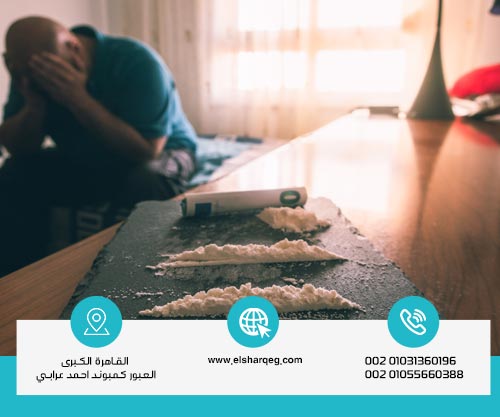
What are the risks of swallowing cocaine?
Although snorting, smoking, and injecting are the most common methods, some people resort to swallowing cocaine—a very dangerous method.
The most prominent risks of swallowing cocaine:
- Acute gastrointestinal toxicity
Cocaine ingestion irritates the stomach and intestinal lining and may cause ulcers or internal bleeding. - Sudden onset of the drug
Cocaine is slowly absorbed from the stomach, but when the entire “wrap” or pill dissolves, it can be released into the bloodstream all at once, leading to a fatal overdose. - Liver or kidney failure
The breakdown of the substance in the digestive system leads to the release of severe toxins, which strain the liver and kidneys as they attempt to eliminate them. - Delayed onset of symptoms
Cocaine ingestion delays the onset of symptoms of intoxication, making early intervention difficult.
The risks of swallowing cocaine can be more deadly than snorting or injecting it, and should be considered a medical emergency requiring immediate intervention.
How long does it take for cocaine to leave your body?
Many people wonder: How long does it take for cocaine to leave your body? The answer varies depending on the method of use, dosage, frequency of use, and liver and kidney condition.
| Sample Type | Approximate cocaine retention period |
|---|---|
| Urine | From 2 to 4 days (up to a week in chronic addiction) |
| Blood | 12-48 hours |
| Saliva | Up to 2 days |
| Hair | Up to 90 days or more |
Factors that affect how long cocaine stays:
- The amount taken
- Duration of use and number of doses
- Liver and kidney health
- metabolic rate
- Method of administration (snorting, smoking, injection)
Cocaine withdrawal may take days or weeks, but its psychological effects can last longer and require treatment and psychological rehabilitation.
What happens when you stop using cocaine?
When cocaine use is stopped, the body and mind begin to go through a relatively difficult withdrawal phase, especially in the first few days. The severity of symptoms varies depending on the duration of addiction and the doses used.
Highlights of what happens after the stop:
- Severe depression and feelings of emptiness
Due to a lack of dopamine, addicts experience a severe drop in mood and sometimes suicidal tendencies. - Strong desire to use again (craving)
Compulsive cocaine use is one of the most difficult withdrawal symptoms. - General fatigue and extreme exhaustion. The body goes into a “collapse” due to the sudden withdrawal of the stimulant.
- Anxiety attacks, insomnia, and extreme tension
Sleep disturbances occur, and in some cases psychotic symptoms such as hallucinations or paranoia may appear. - Extreme mood swings
A person may go from sudden crying to violent anger within minutes.
What happens when cocaine use stops is a withdrawal phase that requires psychological and medical support within a specialized addiction treatment center to prevent relapse and ensure safe recovery.
In the end, we learned that cocaine addiction is not just a bad habit, but a complex disease that affects all aspects of a person’s life, from mental and neurological health to the respiratory and cardiovascular systems, and even social and professional relationships. We reviewed how to recognize cocaine addiction, discussed the dangers of ingesting cocaine, explained how long it takes for cocaine to leave the body, and what happens when you stop using it. Despite the severity of this stage, recovery is not impossible. It is achievable through specialized treatment programs that address psychological, physical, and behavioral aspects, as is the case at Al Sharq Addiction Treatment Center, which provides a safe environment and comprehensive programs under the supervision of elite doctors and consultants.
If you or someone you love is struggling with cocaine, know that every moment of delay multiplies the risk. Don’t wait until you reach the breaking point. Start your recovery journey now, and return to yourself and the life you deserve.