

Does Chlordiazepoxide and Clidinium Bromide treatment cause addiction? With the increasing use of sedative medications for treating anxiety, stress, and sleep disorders, Chlordiazepoxide has become one of the most prominent drugs prescribed for this purpose. Despite its therapeutic effectiveness, incorrect or excessive use can lead to psychological and physical dependence, and even develop into Chlordiazepoxide addiction. In this article, we highlight the addictive nature of this medication, the risks of its misuse, along with the best medical methods for safely overcoming addiction, and the role of El Sharq Center as the best addiction treatment center in Egypt and the Arab world in providing the latest therapeutic programs for comprehensive recovery without relapse.
What is Chlordiazepoxide and Clidinium Bromide Medication?
“Chlordiazepoxide and Clidinium Bromide” is a pharmaceutical combination of two active ingredients with different functions:
- Chlordiazepoxide: belongs to the benzodiazepine family and is used for calming nerves, reducing anxiety, and helping in treating alcohol withdrawal symptoms. It affects brain chemistry to enhance feelings of calmness and relaxation.
- Clidinium Bromide: an anticholinergic that works to reduce intestinal and stomach muscle spasms, used to alleviate symptoms of irritable bowel syndrome, stomach ulcers, and intestinal inflammation.
This medication is particularly used in cases where psychological symptoms (like anxiety) are accompanied by digestive system disorders, working to improve both the patient’s psychological and physical condition simultaneously.
While this medication is used for legitimate medical purposes, its main component “Chlordiazepoxide” can lead to addiction with long-term use, requiring careful medical supervision, and may require intervention from a specialized center like El Sharq Addiction Treatment Center to ensure safe discontinuation in cases of dependence.
What are the Side Effects of Chlordiazepoxide and Clidinium Bromide?
Common and serious side effects include:
Common Side Effects:
- Dizziness and drowsiness.
- Dry mouth.
- Stomach issues (constipation or nausea).
- Difficulty urinating.
- Blurred vision.
Serious Side Effects:
- Severe mood changes (anxiety, depression, agitation).
- Breathing problems.
- Loss of motor coordination.
- Hallucinations.
- Physical and psychological drug dependence (especially with long-term use).
If any of these symptoms appear, you should consult a doctor immediately, or go to a specialized addiction treatment center like El Sharq Addiction Treatment Center, which provides comprehensive assessment of the condition and determines the necessary steps for prevention or treatment of dependence on this medication.
What are the Uses of Chlordiazepoxide and Clidinium Bromide?
- Treatment of mild to moderate anxiety disorders.
- Relief of Irritable Bowel Syndrome (IBS) symptoms.
- Reduction of spasms associated with stomach and duodenal ulcers.
- Treatment of spastic colitis.
- Used in some cases for treating alcohol withdrawal symptoms under strict medical supervision.
However, because this medication contains a benzodiazepine sedative, it is recommended to use it only for a short period and under doctor’s supervision, or through careful monitoring programs at El Sharq Addiction Treatment Center to avoid any slide towards psychological or physical dependence.
What are the Contraindications for Chlordiazepoxide and Clidinium Bromide?
- Allergy to either of the active ingredients or benzodiazepine derivatives.
- History of drug or alcohol addiction.
- Glaucoma.
- Enlarged prostate or difficulty urinating.
- Severe liver or kidney diseases.
- Pregnancy or breastfeeding (unless prescribed by doctor).
- Chronic respiratory diseases such as asthma or COPD.
If any of these contraindications exist, specialists like the El Sharq Addiction Treatment and Psychiatry Center team should be consulted to evaluate safe and appropriate alternatives for each case.
What are the Precautions for Using Chlordiazepoxide and Clidinium Bromide?
- Do not drive or operate machinery while taking it, as it causes drowsiness.
- Inform your doctor about all medications and supplements being used to avoid dangerous interactions.
- Strictly adhere to the dosage and do not increase it on your own.
- Do not use this medication for long periods without medical supervision to avoid addiction.
- Exercise extreme caution when used by elderly patients, as they are more susceptible to side effects.
What are the Drug Interactions of Chlordiazepoxide and Clidinium Bromide?
This medication interacts with many drugs, including:
- Other benzodiazepines (increase sedation and risk).
- Antidepressant medications.
- Sedatives and sleeping pills.
- Antihistamines.
- Strong pain medications like opioids.
- Alcohol (increases risk of excessive sedation and death).
Therefore, it’s essential that this medication is managed within an integrated therapeutic framework, such as the monitoring programs at El Sharq Addiction Treatment Center, where medications are carefully controlled.
What are the Dosages and Methods of Use for Chlordiazepoxide and Clidinium Bromide?
The lowest effective dose and treatment duration should be used. Chlordiazepoxide 5mg-Clidinium 2.5mg capsules: Initial dose: one capsule orally twice daily, with gradual increase based on need and tolerance
- Usual adult dose: one capsule, 3 to 4 times daily, before meals and at bedtime.
- Method: Take the capsule whole with a glass of water, without breaking or chewing.
- Duration: Usually not exceeding two to 4 weeks, unless otherwise prescribed by the doctor.
In cases of excessive use or signs of habituation or dependence, gradual discontinuation under strict medical supervision is recommended through safe withdrawal programs provided by El Sharq Center.
What are the Pharmaceutical Forms of Chlordiazepoxide and Clidinium Bromide?
- Oral capsules are the main commercially known form, with each capsule typically containing:
- 5 mg Chlordiazepoxide
- 2.5 mg Clidinium Bromide
What are the Storage Conditions for Chlordiazepoxide and Clidinium Bromide?
- Store at room temperature between 20-25 degrees Celsius.
- Away from moisture, heat, and direct light.
- Keep out of reach of children.
- Preferably stored in its original container.
Does Chlordiazepoxide and Clidinium Bromide Treatment Cause Addiction?
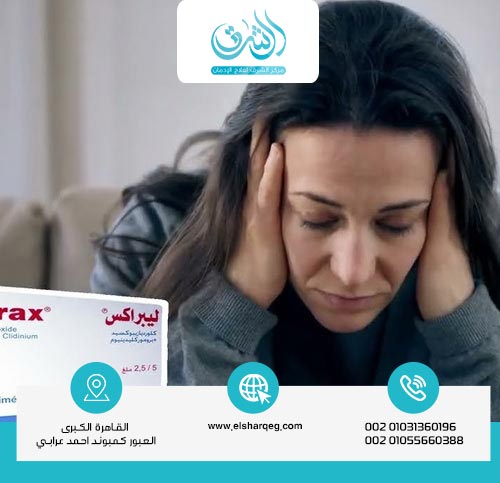
Yes, Chlordiazepoxide and Clidinium Bromide treatment can cause addiction, particularly due to its Chlordiazepoxide content, which is one of the benzodiazepine compounds known to potentially cause physical and psychological dependence if taken for long periods or in inappropriate doses.
Here are the detailed explanations:
First: how Does Chlordiazepoxide and Clidinium Bromide Cause Addiction?
- Psychological dependence:
Over time, a person begins to rely on the drug’s effects to feel comfortable or reduce anxiety and tension. This psychological dependence is the first gateway to addiction. - Physical dependence:
With continuous use, the body becomes accustomed to the substance in the blood and needs higher doses to achieve the same effect, leading to Tolerance then Dependence, and may develop into actual addiction. - Withdrawal symptoms when stopping:
Sudden discontinuation of the drug after a period of use may lead to unpleasant withdrawal symptoms, such as:- Extreme anxiety
- Insomnia
- Headache
- Nausea
- Trembling limbs
- Agitation episodes or even seizures in severe cases
Second: when Does Chlordiazepoxide and Clidinium Bromide Use Become Dangerous?
- When using the medication without medical supervision
- When increasing the dose on your own
- If used for longer than the doctor-recommended period (usually two to 4 weeks only)
- When combined with sedatives or alcohol, which increases the risk of excessive sedation and breathing difficulties
Third: how to Deal with Chlordiazepoxide and Clidinium Bromide Addiction?
If signs of addiction or dependence on this medication appear, it’s crucial not to stop suddenly, as this may lead to dangerous withdrawal symptoms. Instead, you should:
- Gradually reduce the dose under specialist supervision
- Undergo psychological and behavioral therapy to understand the causes of dependence
- Seek treatment at a center specialized in dealing with pharmaceutical addiction cases
Why is El Sharq Center the Best Choice for Treating this Type of Addiction?
Because El Sharq Addiction Treatment Center is the most experienced and professional in Egypt and the Arab world in dealing with benzodiazepine addiction cases like Chlordiazepoxide, and provides:
- Specialized unit for safe detoxification
- Top-level medical team
- Intensive psychological care
- Individual treatment plan for each patient
- Comprehensive rehabilitation to prevent relapse
Although Chlordiazepoxide and Clidinium Bromide is used to treat anxiety and digestive system disorders, excessive use or ignoring medical instructions can lead to addiction. Therefore, if you feel that you or a loved one has begun to depend on this medication psychologically or physically, don’t wait, contact El Sharq Center for Addiction Treatment and Psychiatry immediately, where the first steps of recovery begin safely and confidently.
How to Treat Chlordiazepoxide and Clidinium Bromide Addiction?
Treating Chlordiazepoxide and Clidinium Bromide addiction is one of the medical and psychological challenges that requires professional and integrated intervention, given the interaction of two pharmaceutical components in this treatment; one is a benzodiazepine sedative, and the other is an anti-spasmodic for the digestive system. This combination makes drug discontinuation complex and requires precise medical supervision. Here we present the approved and effective therapeutic steps that El Sharq Psychiatric Center, the best addiction treatment center in Egypt and the Arab world, relies on:
First: Comprehensive Patient Assessment
At El Sharq Addiction Treatment Center, treating Chlordiazepoxide and Clidinium Bromide addiction begins with a comprehensive medical assessment including:
Examination of the patient’s physical and psychological condition.
Determining the duration of use and dosage used.
Identifying any psychiatric conditions accompanying addiction or other addictions.
Preparing a customized treatment plan for each case.
Second: Safe Drug Withdrawal from the Body (Detoxification)
Withdrawing Chlordiazepoxide and Clidinium Bromide is a crucial step, conducted under strict medical supervision to avoid withdrawal symptoms, which may include:
Excessive anxiety and tension.
Physical and muscular pain.
Panic attacks or depression.
Digestive system disorders.
During this stage, supportive medications are used to alleviate symptoms and avoid any complications, and the patient is monitored 24/7 at El Sharq Center to ensure physical and psychological stability.
Third: Intensive Psychological Treatment and Rehabilitation
After completing the detoxification phase, the psychological program begins, including:
Cognitive Behavioral Therapy (CBT): for rebuilding thinking and behavior.
Individual and group psychological support sessions.
Treatment of psychological causes that led to addiction.
Behavioral rehabilitation and reintegrating the patient into daily life.
This phase is vital to ensure against relapse.
Fourth: Post-Treatment Follow-up and Support
To ensure continued recovery after leaving El Sharq Center, the following is provided:
Regular follow-up plan including periodic visits to the center.
Support through regular psychological therapy sessions.
Continuous communication with family to provide a supportive environment.
“Extended Care” programs to prevent relapse.
El Sharq Center for treating Chlordiazepoxide and Clidinium Bromide addiction?
Medical team specialized in benzodiazepine addiction cases.
Latest approved global treatment protocols.
Precise 24/7 monitoring of patient condition.
Individual treatment plan suitable for each case.
Safe and confidential therapeutic environment.
In conclusion, treating Chlordiazepoxide and Clidinium Bromide addiction requires deep expertise and a specialized center capable of handling this complex case of addiction. Therefore, we recommend immediately heading to El Sharq Center, where you’ll find comprehensive care, an advanced treatment plan, and continuous psychological support until complete recovery.