Treatment of addiction without medication has become a topic that intrigues many who are seeking natural and safe ways to overcome addiction without relying on medical drugs. While medication-based treatment plays an important role in many cases, there are modern approaches and comprehensive programs that primarily rely on psychological, behavioral, and social support for holistic addiction treatment. This method is suitable for certain cases that don’t require direct medical intervention, especially in psychological and behavioral addiction, or cases without severe withdrawal symptoms. In this article, we deeply discuss the effectiveness of addiction treatment without medication, its types, when it’s appropriate, and the role of psychological and behavioral support in it.
What is the Concept of Addiction Treatment without Medication?
Addiction treatment without medication is a therapeutic approach that aims to help addicts recover by focusing on psychological, behavioral, and social aspects without resorting to medical drugs. This type of treatment relies on psychological and behavioral programs that focus on modifying thought patterns and behaviors leading to substance use, including psychological support, cognitive behavioral therapy, psychological and social rehabilitation for the addict, and rebuilding a healthy life for the addict.
The importance of this type of treatment lies in avoiding medication side effects, reducing dependency on them, and developing self-recovery skills in addicts, especially in cases that don’t suffer from severe physical withdrawal symptoms.
Can Addiction be Treated without Medication?
Addiction treatment without medication is an approach that focuses on the psychological, behavioral, and social aspects of the addict instead of relying on medical drugs. This type of treatment aims to help the addict change behaviors and habits that lead to substance use, while enhancing self-control skills and improving quality of life. This is done through various therapeutic programs including psychotherapy, cognitive behavioral therapy, group support, lifestyle modification, and other methods that support sustainable recovery without the need for medication.
When is Addiction Treatment without Medication Appropriate?
Addiction treatment without medication is appropriate in certain cases, which will be determined by specialized doctors in addiction treatment at addiction treatment centers, such as:
Cases that don’t suffer from severe physical withdrawal symptoms requiring medical intervention.
Addiction to substances with primarily psychological effects such as cannabis or certain psychotropic drugs.
Cases of relatively short-term drug use where physical symptoms haven’t developed significantly.
People with high psychological readiness and strong desire for recovery with strong family and community support.
However, in cases involving severe withdrawal symptoms, such as opioid addiction or alcohol, medication-based treatment is often necessary to alleviate symptoms and ensure patient safety.
Is Addiction Treatment without Medication Effective?
Studies show that addiction treatment without medication can be effective in some cases, particularly those involving psychological or behavioral addiction or in early stages of addiction. Psychotherapy, such as Cognitive Behavioral Therapy (CBT), enhances the addict’s ability to cope with intense cravings and teaches strategies to control negative thoughts and harmful behaviors.
However, it should be noted that the effectiveness of this treatment depends on several factors, including the type of substance, severity of dependence, the patient’s physical and psychological condition, and the support from family and community.
What are the Types of Addiction Treatment without Medication?
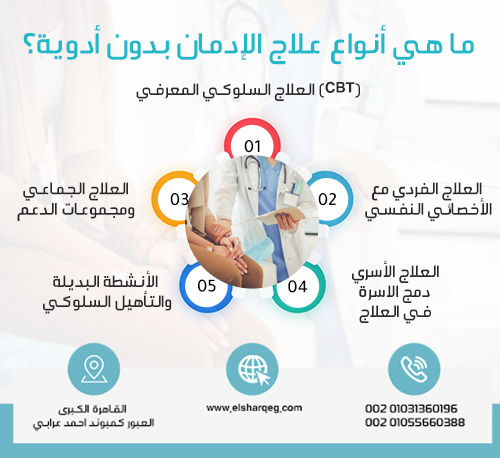
Methods and approaches of addiction treatment without medication vary to include several psychological, behavioral, and social programs, all aimed at helping the addict overcome psychological and physical dependence on drugs, without the need for medical drugs. While these methods may succeed in some cases, they are often more effective when implemented within specialized addiction treatment centers like Al Sharq Center, which is considered one of the best centers in Egypt and the Arab world.
1. Cognitive Behavioral Therapy (CBT)
Cognitive Behavioral Therapy is one of the most prominent types of addiction treatment without medication, focusing on modifying thoughts and behaviors that drive a person to use substances. This type of therapy helps the addict to:
Understand the psychological causes behind addiction.
Acquire new skills to deal with life stresses.
Build alternative healthy behaviors that prevent relapse.
2. Individual Therapy with a Psychologist
This type involves individual sessions between the patient and therapist, and is one of the most important forms of addiction treatment without medication as it provides a safe space to express inner feelings and address old psychological traumas. Through this, the addict can regain self-confidence and find realistic solutions to their problems.
3. Group Therapy and Support Groups
Group therapy is one of the most important types of addiction treatment without medication, where addicts gather to share their experiences under professional supervision. Support groups like Narcotics Anonymous (NA) are also an effective means that gives the patient a sense of belonging and provides constant encouragement to continue recovery.
4. Family Therapy
One of the prominent ways of addiction treatment without medication is integrating the family into the treatment journey. This type of therapy aims to:
Educate the family on how to deal with the addict.
Repair relationships damaged by addiction.
Create a supportive family environment that prevents relapse and encourages continuous recovery.
5. Alternative Activities and Behavioral Rehabilitation
Among the types of addiction treatment without medication is also encouraging the patient to engage in alternative activities such as sports, reading, volunteer work, or artistic hobbies. These activities help fill free time and reduce the desire to return to drugs.
Types of addiction treatment without medication vary between cognitive behavioral therapy, individual therapy, group therapy, family therapy, and alternative activities, but these types achieve their best results when applied within a comprehensive program inside a specialized center. Here emerges the role of Al Sharq Center, which is truly one of the best addiction treatment centers in Egypt and the Arab world, as it provides integrated treatment programs based on the latest psychological and behavioral methods to ensure complete recovery and prevent relapse.
When should Medication be Used in Addiction Treatment?
In some cases of addiction, treatment without medication may not be sufficient to deal with the physical and psychological symptoms that the addict faces during withdrawal or treatment. Therefore, it’s important to know when medication becomes necessary to ensure patient safety and facilitate the recovery process. In this section, we’ll explain the cases that require medication use, and the importance of medical evaluation in specialized centers like Al Sharq Hospital, which provides accurate diagnosis and customized treatment plans for each case.
- Withdrawal from heavy opioids such as heroin and morphine.
- Alcohol withdrawal, which can cause seizures and serious complications.
- Some cases of stimulant use that cause severe psychological symptoms.
When are Withdrawal Symptoms Dangerous and Require Medical Treatment?
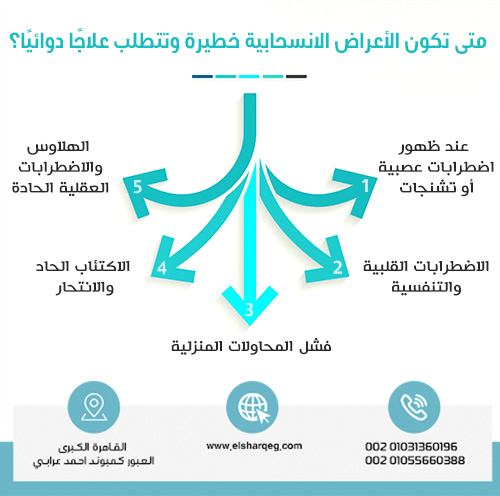
Withdrawal symptoms are the phase that an addict goes through when suddenly stopping drug use, and their severity varies from person to person depending on the type of drug, duration of use, and the patient’s health condition. In some cases, these symptoms may be mild and can be controlled through addiction treatment methods without medication such as psychological support and behavioral rehabilitation, but there are certain situations where symptoms become dangerous and pose a direct threat to the patient’s life, requiring medical intervention under specialized medical supervision.
1. When Neurological Disorders or Convulsions Appear
One of the most prominent signs indicating that withdrawal symptoms are dangerous is when the patient experiences seizures or severe neurological disorders. This condition is particularly common with alcohol or sedative addiction and requires sedative or anticonvulsant medications to protect the nervous system from breakdown.
2. Hallucinations and Severe Mental Disorders
If the patient shows symptoms such as auditory or visual hallucinations, or enters episodes of severe psychosis, this situation goes beyond the limits of addiction treatment without medication. At this stage, medical intervention becomes necessary to control mental disorder and protect the patient from harming themselves or others.
3. Cardiac and Respiratory Disorders
Some drugs may cause withdrawal symptoms that directly threaten the patient’s life, such as:
Abnormal increase in heart rate.
Difficulty breathing.
Acute high blood pressure.
These conditions require urgent medical intervention to stabilize vital signs and prevent fatal complications.
4. Severe Depression and Suicide
One of the most dangerous withdrawal symptoms is deep depression accompanied by suicidal thoughts. In this case, psychotherapy alone is not enough, and the patient needs antidepressants or mood stabilizers to prevent suicide and save their life.
5. Failed Home Attempts
If the patient has tried to stop through addiction treatment without medication at home but repeatedly failed due to severe symptoms, this is a strong indicator that their condition needs specialized medical intervention inside an accredited treatment center.
It can be said that withdrawal symptoms become dangerous and require medical treatment in cases of: neurological convulsions, hallucinations and psychosis, cardiac or respiratory disorders, severe depression with suicidal thoughts, or repeated failure to stop without medication. In these situations, treatment inside specialized centers becomes the safest option. Here emerges the role of Al Sharq Center, which is considered one of the best addiction treatment centers in Egypt and the Arab world, as it provides comprehensive medical supervision that combines medical, psychological, and behavioral treatment to ensure safe and comprehensive recovery for the patient.
How Can Addiction Treatment without Medication be Integrated with Medical Treatment?
Addiction treatment is a complex process that cannot rely on just one aspect, but requires an integrated plan with multiple elements. Combining addiction treatment without medication and medical treatment is considered the most effective approach to achieve complete recovery, as it ensures control of physical symptoms on one hand, and addresses the psychological and behavioral causes of addiction on the other.
First: the Role of Medical Treatment
Medical treatment focuses on the physical aspect of addiction, and it is necessary in cases where strong withdrawal symptoms or serious complications appear. Its most prominent roles include:
Alleviating withdrawal symptoms such as insomnia, convulsions, anxiety and depression.
Reducing intense cravings through alternative medications or neural receptor inhibitors.
Protecting the body from serious complications resulting from sudden cessation, such as heart or nervous system disorders.
Second: the Role of Addiction Treatment without Medication
While addiction treatment without medication focuses on the psychological, behavioral, and social aspects, including:
Cognitive Behavioral Therapy (CBT): to confront addictive thoughts and change harmful behaviors.
Group therapy and support groups: such as Narcotics Anonymous which provides the patient with continuous encouragement and support.
Family therapy: to repair relationships and support the patient’s social environment.
Alternative activities: such as sports, hobbies, and volunteer work to distract from drugs.
Third: Integration between the Two Methods
Integration occurs when medical treatment is used temporarily during the detoxification phase, while addiction treatment without medication continues long-term to address the root causes of the problem and prevent relapse. This way, the patient receives:
Physical comfort enabling them to resist withdrawal symptoms.
Psychological and behavioral support protecting them from returning to drugs.
Social reintegration ensuring life stability after treatment.
Al Sharq Center’s Role in Integrating both Treatments
At Al Sharq Center – which is considered one of the best addiction treatment centers in Egypt and the Arab world – a customized treatment plan is designed for each patient combining medical treatment when needed, and addiction treatment programs without medication as a foundation. This plan ensures:
Safe detoxification under medical supervision.
Comprehensive psychological treatment addressing the deep causes of addiction.
Long-term rehabilitation programs protecting from relapse and returning the patient to normal life.
Integrating addiction treatment without medication with medical treatment is considered the optimal solution for achieving complete recovery, as it treats physical symptoms on one hand and addresses behaviors and thoughts causing addiction on the other. To achieve the best results, the optimal choice remains turning to specialized centers like Al Sharq Center, which provides integrated treatment programs ranked among the best in Egypt and the Arab world.
When should one go to specialized treatment centers to assess the need for medication?
Evaluating the addict’s health condition by specialized doctors in addiction treatment centers like Al Sharq Hospital is necessary to determine whether medical treatment is required or not. This evaluation depends on a comprehensive examination including physical and psychological condition, severity of dependence, and medical history, to determine the most suitable treatment plan that achieves the best results.
How Do Medications Help Improve Recovery Chances?
Medications help reduce physical pain, anxiety and tension, and prevent serious complications during the withdrawal phase, allowing the addict to focus on psychological and behavioral therapy, which is considered fundamental in long-term recovery.
What is the Role of Family and Community in the Success of Addiction Treatment without Medication?
The family’s role in addiction treatment The family and community have a pivotal role in the success of addiction treatment without medication, as the family provides emotional support and psychological stability, monitors the addict’s progress, and helps them face social pressures that might lead to relapse.
As for the community, it contributes through awareness programs, creating a discrimination-free environment, and providing work and education opportunities for recovering addicts, which enhances their integration chances and helps them maintain their recovery.
Steps to Help Overcome Addiction and Maintain Recovery?
Overcoming addiction and staying that way requires continuous effort. Acquiring new coping skills and knowing where to get help is essential. Taking the following actions can help you:
- Seeking help from a certified addiction therapist or counselor:
Seeking help from an addiction specialist is a crucial step, as psychotherapy helps deal with deep problems that may be the cause of addiction, such as mental health disorders, family conflicts, or social pressures. - Treating accompanying mental health problems:
Many addicts suffer from psychological disorders such as depression or anxiety, which may increase the risk of relapse. Therefore, it’s necessary to consult a psychologist as soon as any psychological symptoms appear, to ensure comprehensive treatment that considers all aspects. - Joining support groups:
Support groups play a crucial role in promoting recovery, such as “Narcotics Anonymous” or “Alcoholics Anonymous”, where these gatherings provide a supportive environment based on understanding, sharing, and common experiences, which enhances the sense of belonging and reduces isolation, and encourages the recovering person to continue.
Methods of Treating Addiction at Home without Medication
Many people search for ways to treat addiction without medication at home as an alternative to traditional medical treatment, especially for those who don’t want to use drugs or fear their side effects. While home treatment may help in some mild cases, it needs strict commitment and discipline, alongside continuous family support.
1. Psychological and Emotional Support
The most important step in treating addiction without medication at home is providing psychological support from the family. The addict needs an environment full of love and encouragement instead of blame and criticism. This support creates a sense of security and increases their ability to resist the desire to return to substance use.
2. Practicing Healthy Activities and Sports
Exercise is considered one of the strongest means in treating addiction without medication, as it helps reduce tension, improve mood, and stimulate the body to naturally release happiness hormones. The addict can practice running, walking, or any sport that suits their physical ability.
3. Proper Nutrition and Natural Detoxification
One of the ways to treat addiction without medication is relying on a healthy diet containing proteins, vegetables, fruits, and whole grains. These elements support the nervous system and help the body gradually eliminate toxins, along with drinking plenty of water.
4. Isolation from Addiction Triggers
The success of addiction treatment without medication largely depends on changing the surrounding environment. Therefore, it’s necessary to keep the addict away from bad friends, avoid places associated with drugs, and keep them busy with new activities that give them a sense of achievement.
5. Behavioral Therapy at Home
Cognitive Behavioral Therapy (CBT) sessions can be accessed online or through periodic follow-up with a psychologist, even from home. This type of therapy helps modify negative thoughts and control the desire to use substances, and is one of the most important pillars of addiction treatment without medication.
Despite the existence of many methods that help treat addiction without medication at home such as family support, exercise, proper nutrition, and lifestyle changes, these methods are often helpful solutions and not a substitute for specialized medical treatment. Therefore, it’s always recommended to resort to accredited addiction treatment centers like Al Sharq Center for Psychiatry and Addiction Treatment, which provides safe, integrated treatment programs combining psychological and behavioral methods, to ensure complete recovery and prevent relapse.
Does Addiction Treatment without Medication Succeed at Home?
Many families ask an important question: Can addiction treatment succeed at home without medication? Studies and experiences have shown that while this type of treatment may help in very mild cases, it often faces major challenges that make its success rates low compared to comprehensive treatment in specialized centers. Addiction is a chronic disease that affects both brain and body, making sudden cessation potentially dangerous.
When Can Addiction Treatment Succeed at Home without Medication?
Home-based addiction treatment may succeed in limited cases if the person is in the early stages of substance use, provided there is:
A genuine and sincere desire to stop using drugs.
Strong family and emotional support to reduce psychological stress.
Changes in the environment associated with addiction and distancing from negative influences.
Regular exercise and adherence to a healthy diet that helps gradually eliminate toxins.
However, even with these factors, the likelihood of relapse remains very high without specialized psychological and behavioral treatment.
Why Does Addiction Treatment without Medication Often Fail?
The main reasons why addiction treatment without medication fails at home include:
Severity of withdrawal symptoms such as insomnia, anxiety, depression, and convulsions.
Lack of medical supervision capable of intervening in emergencies.
Absence of a Cognitive Behavioral Therapy (CBT) plan to address root causes.
Increased chances of relapse due to life pressures and vulnerability to addiction triggers.
The Safer Solution
While medication-free addiction treatment might seem like a simple option for some, professional treatment in specialized centers is safer and more effective. For example, Al Sharq Center is among the best addiction treatment centers in Egypt and the Arab world, offering comprehensive treatment programs including:
Safe detoxification under medical supervision.
Advanced psychological and behavioral therapy addressing addiction causes.
Rehabilitation programs preventing relapse and reintegrating patients into society.
While some attempts at home-based addiction treatment without medication might succeed in very mild cases, the safest and most effective path is through specialized centers. Al Sharq Center is considered the optimal choice as it offers the best modern treatment programs ensuring comprehensive and permanent recovery, making it truly one of the best addiction treatment centers in Egypt and the Arab world.
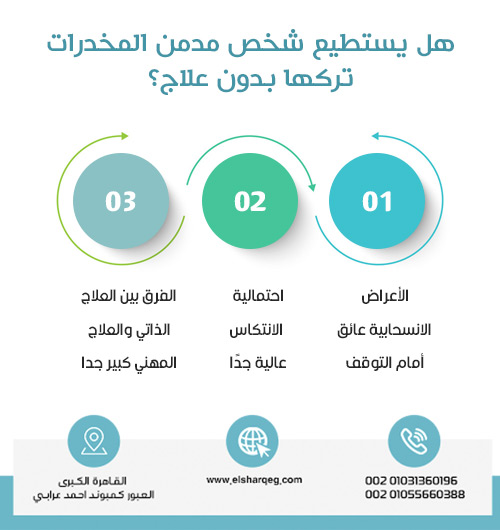
Can a Drug Addict Quit without Treatment?
Some might think quitting drugs without treatment is possible through willpower alone, but addiction is a complex disease affecting both brain and body, making sudden cessation dangerous. Even if an addict tries to quit alone, they often face severe difficulties due to harsh withdrawal symptoms and compulsive urges to use again.
1. Withdrawal Symptoms as a Barrier to Quitting
When trying to quit drugs without treatment, the body begins showing strong reactions known as withdrawal symptoms, such as:
Sweating and tremors.
Bone and muscle pain.
Strong urges to return to drug use.
These symptoms can be dangerous with certain drugs like heroin or alcohol, potentially leading to life-threatening health complications.
2. Very High Relapse Probability
One of the biggest risks of quitting drugs without treatment is the high probability of relapse. The absence of psychological and therapeutic support makes the addict vulnerable to returning to use, even after days or weeks of cessation.
3. The Difference between Self-Treatment and Professional Treatment
Self-cessation relies solely on willpower, while treatment at specialized addiction centers like Al Sharq Center provides a comprehensive plan including:
Detoxification under safe medical supervision.
Psychological and behavioral therapy to address addiction causes.
Rehabilitation programs preventing relapse and reintegrating patients into society.
Therefore, the difference is vast; while quitting drugs without treatment often fails, professional treatment significantly increases recovery rates and gives patients a chance at a new, stable life.
Realistically, some people might try to quit drugs without treatment, but the experience is usually risky with very low success rates due to strong withdrawal symptoms and lack of psychological support. Therefore, the safest and most effective solution remains seeking specialized addiction treatment centers like Al Sharq Center, where patients receive comprehensive medical and psychological care ensuring safe recovery and relapse prevention.
Finally, it’s clear that addiction treatment without medication can be effective in certain cases, but there are times when medication becomes necessary to ensure patient safety and successful recovery. Therefore, it’s essential to get accurate medical assessment at specialized centers like Al Sharq Hospital, which provides comprehensive care and appropriate guidance for each case. Regardless of the treatment method, the main goal remains supporting addicts in achieving sustainable and healthy recovery, enabling them to fully reclaim their lives.