
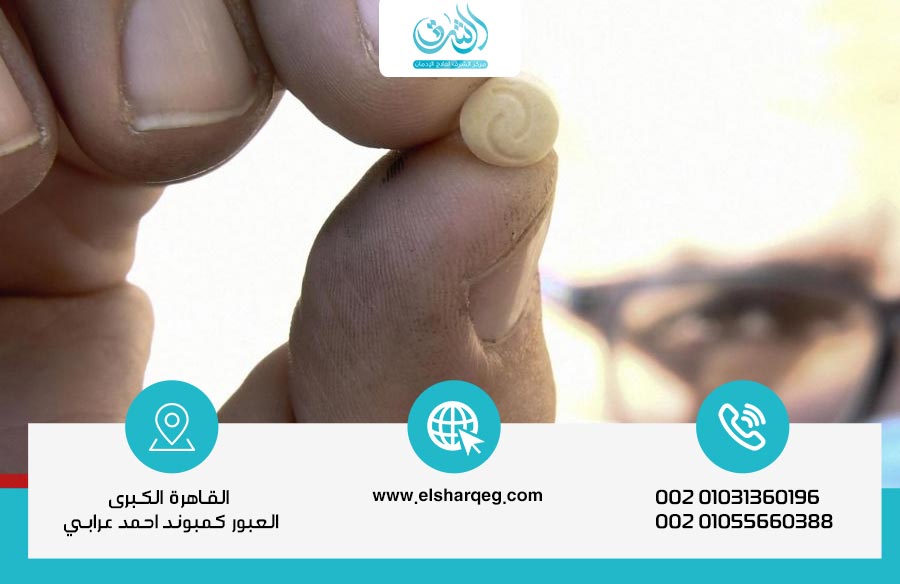
The impact of Captagon on studying and concentration poses a significant risk to the brain’s ability to learn and comprehend. Although some turn to Captagon to enhance cognitive performance, its temporary effects mask psychological and physical harm that negatively affects concentration and memory. With continued use, brain function deteriorates and concentration ability weakens, notably impacting academic achievement.
In this article, we will examine in detail the effects of Captagon on studying and concentration to understand the real risks and how to prevent them.
What is Captagon?
Captagon is a chemical compound from the class of central nervous system stimulants, medically used to treat conditions like ADHD, but more commonly known for its illegal use as a stimulant that enhances alertness and concentration for short periods. Captagon works by increasing central nervous system activity, giving users a temporary feeling of energy and alertness. However, this effect comes with numerous health and psychological risks, especially with continued use or without medical supervision.
Does Captagon Cause Addiction?
Yes, Captagon is highly addictive, affecting the brain’s reward centers and creating an intense urge to continue use. Over time, psychological and physical dependence on Captagon develops, making it difficult to stop using without medical help. Captagon addiction causes withdrawal symptoms such as irritability, insomnia, and severe fatigue, negatively impacting mental and physical health, which further complicates the substance abuse problem and significantly affects one’s ability to concentrate and study.
Effects of Captagon on the Brain
Captagon’s impact on the brain is complex and involves multiple aspects that directly affect cognitive abilities. Initially, Captagon stimulates the central nervous system, providing a temporary sense of energy and vitality, but simultaneously causes neurochemical disturbances that negatively affect basic brain functions like memory and concentration. In the following sections, we will explain these effects in detail.
1. Temporary Neural Activity Increase
Captagon temporarily stimulates brain cells, enhancing alertness and energy, but this unstable activity can lead to fatigue and neural cell damage over time.
2. Brain Chemical Imbalance
Captagon causes changes in neurotransmitter levels such as dopamine and norepinephrine, disrupting their natural balance and affecting cognition and memory.
3. Short and Long-term Memory Impairment
Continued use of Captagon weakens the brain’s ability to store and retrieve information, reducing learning effectiveness and concentration during study.
4. Deterioration of Thinking and Concentration Abilities
Captagon causes a decline in the ability to concentrate and think clearly, negatively impacting academic performance and increasing difficulty in completing tasks requiring sustained attention.
5. Negative Effects on Sleep
Captagon causes sleep pattern disturbances, such as insomnia and reduced deep sleep, increasing mental fatigue and negatively affecting cognitive performance during the day.
6. Increased Risk of Depression and Anxiety
Continued use of Captagon is associated with increased rates of anxiety
Effects of Captagon on Concentration
The effect of Captagon on concentration is clear and direct, as it alters how the brain processes information and focuses on different tasks. This effect begins quickly after use but doesn’t last long, and with continued use, damage increases while mental performance decreases. In the following sections, we review the main effects of Captagon on concentration.
1. Temporary Increase in Concentration and Energy
Captagon temporarily enhances alertness and energy, making users feel improved concentration ability, but this effect is temporary and followed by a sharp decline in performance.
2. Difficulty Maintaining Long-term Focus
After Captagon’s effects wear off, users experience difficulty maintaining sustained concentration, weakening their ability to complete academic or professional tasks requiring long-term attention.
3. Mental Distraction and Increased Cognitive Disturbance
Chronic Captagon use leads to mental distraction and difficulty organizing thoughts, hindering concentration and making it hard to absorb new information.
4. Decline in Planning and Organization Ability
Executive brain functions like planning and organization are affected by Captagon, leading to weakness in time management and academic task management.
Psychological and Physical Risks of Captagon
The effects of Captagon on the brain and concentration extend beyond academic achievement to include a range of psychological and physical risks that threaten the user’s overall health. These risks may appear quickly or develop with chronic use, increasing the dangers of dependence on this substance.
1. Severe Psychological Disorders
Captagon can cause episodes of anxiety, panic, and paranoia, as the substance leads to excessive nervous system stimulation, increasing tension and psychological disorders.
2. Addiction and Psychological Dependence
With continued use, psychological dependence on Captagon develops, making quitting difficult due to intense cravings and withdrawal symptoms that appear upon stopping.
3. Negative Physical Effects
This includes increased heart rate, high blood pressure, dry mouth, and general body fatigue resulting from the increased activity caused by Captagon.
4. General Health Deterioration
Chronic use can lead to multiple health problems such as loss of appetite, weight loss, and sleep disorders, all of which negatively affect an individual’s ability to study and concentrate.
How to Treat Captagon Addiction
Treating Captagon addiction requires specialized and comprehensive intervention, preferably at specialized treatment centers like Al Sharq Hospital for Psychiatry and Addiction Treatment, which provides integrated treatment programs based on the latest medical and psychological methods. Treatment begins with a comprehensive assessment of the patient’s health and psychological condition, followed by a treatment program that includes:
Medically supervised detoxification: where Captagon is safely withdrawn from the body with careful monitoring to avoid complications and withdrawal symptoms.
Psychological therapy and behavioral support: individual and group sessions aimed at addressing the psychological causes of addiction and learning stress management skills and relapse prevention.
Medication when needed: doctors may use medications to alleviate withdrawal symptoms or treat accompanying psychological disorders.
Rehabilitation program and continuous support: includes ongoing follow-up after treatment to ensure recovery maintenance and support the patient in returning to normal life.
Al Sharq Hospital is considered one of the leading institutions providing professional addiction treatment services, with a safe and comfortable therapeutic environment that helps patients achieve complete recovery.
Prevention and Managing Captagon Effects
Understanding Captagon’s effects is the first step toward prevention and proper management of its risks. It’s essential to follow effective strategies that reduce the likelihood of use and help users eliminate its negative effects, especially in study and work environments where concentration is crucial. In the following sections, we present the most important practical ways to prevent and deal with Captagon’s effects.
1. Awareness and Continuous Education
Increasing awareness about Captagon’s negative effects through educational campaigns in schools and universities helps reduce use among students and highlights the damages that can affect concentration and study.
2. Seeking Psychological and Medical Support
In cases of Captagon dependence, seeking help from psychological and medical specialists is necessary to receive appropriate treatment and guidance for safe and proper cessation.
3. Adopting Healthy Lifestyle Habits
Following a healthy lifestyle including regular sleep, balanced nutrition, and exercise helps improve concentration and academic performance without the need for stimulants.
4. Organizing Study Time and Tasks
Learning time management and organization skills helps reduce academic pressure, decreasing the desire to turn to Captagon as a temporary stimulant.
Finally, it’s clear that Captagon’s effect on studying and concentration is distinctly negative, providing only temporary energy while causing significant long-term damage. Repeated use of Captagon directly affects brain functions, weakens concentration and learning ability, and increases the likelihood of addiction and psychological and physical problems. Therefore, it’s crucial to exercise caution and avoid Captagon use, seeking healthy alternatives to improve academic performance and concentration, such as time management, good sleep, and following a healthy lifestyle.