

Signs of opium addiction may be subtle at first, but over time they become clearly visible and significantly affect both the addict’s life and those around them. Opium is a highly potent drug that affects the nervous system, and addiction to it is considered one of the most dangerous types of addiction due to its rapid dependency and difficulty in quitting without medical intervention.
In this article, we’ll highlight the most prominent physical, psychological, and behavioral signs that may indicate someone is suffering from opium addiction, along with advice on how to handle this sensitive condition.
What is Opium and why Does it Cause Addiction?
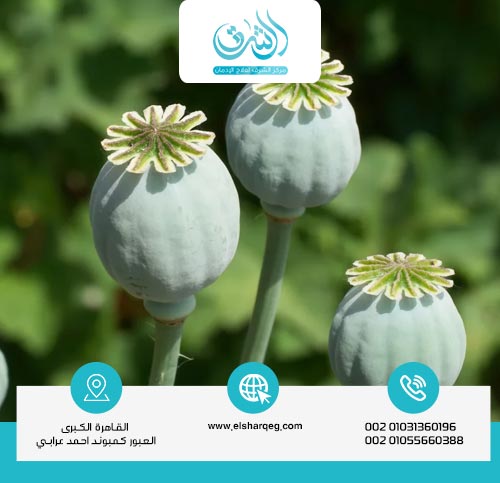
Opium is a natural narcotic extracted from a plant known as the poppy plant, specifically from the milky sap that comes from its unripe fruit. This sap, when dried, turns into a sticky brown substance known as “opium,” which is the primary source for several known narcotics such as morphine, codeine, and heroin.
However, what makes opium a real danger isn’t just its pain-relieving properties, but how it affects the central nervous system. When opium enters the body, it interacts with specific receptors in the brain known as opium receptors, which are responsible for feelings of comfort and pain relief.
What Does Opium Taste like?
Opium has a very bitter taste and a distinctive pungent odor, somewhat similar to certain chemicals or heavy perfumes, and this taste is unpleasant to some.
Opium is not typically consumed orally as it’s a narcotic and is used through other methods such as smoking or injection, but if accidentally tasted, its strong bitter taste makes it unpleasant and can sometimes cause nausea.
Why Does Opium Cause Addiction?
There are several reasons why opium is one of the most addictive substances:
1. Excessive Dopamine Stimulation (Happiness Hormone):
Opium stimulates the release of large amounts of dopamine in the brain, which is responsible for feelings of pleasure and euphoria. This artificial stimulation makes a person feel unnaturally happy, a level that cannot be reached under normal circumstances.
2. Brain Adaptation to External Effects:
With repeated use, the brain becomes accustomed to the presence of opium and stops producing natural substances that cause comfort and pleasure. This is where physical and psychological dependence begins, and the addict feels unable to relax or feel comfortable without taking a dose.
3. Body Tolerance and Dose Increase:
Over time, the body loses its response to the usual dose, requiring the person to take higher doses to achieve the same effect. This “gradual increase” in the need for the substance is considered one of the most dangerous stages of addiction.
4. Severe Withdrawal Symptoms:
When suddenly stopping opium or abruptly reducing the dose, the addict experiences severe withdrawal symptoms such as: intense body pains, tremors, excessive sweating, sleep disorders, depression, severe anxiety, and physical and mental exhaustion. These symptoms quickly drive them back to using, fearing the pain.

How to Identify an Opium Addict?
There are a set of signs and symptoms that gradually appear, which may be very obvious or subtle at first. These signs are divided into three main categories: physical signs, psychological signs, and behavioral and social signs.
The Importance of Recognizing Signs of Opium Addiction
Recognizing signs of opium addiction is one of the essential steps that helps in providing proper support to the addict before the problem worsens. Delay in noticing these signs leads to worsening physical, psychological, and social damage, making treatment more difficult. Therefore, understanding all the signs that appear in an opium addict can save their life and give them a chance for recovery.
First: Physical Signs of Opium Addiction
The body cannot hide the effects of addiction, especially when using powerful substances like opium. Physical changes begin to appear gradually, and over time become obvious to anyone who comes close to the person.
1. Persistent Drowsiness and Obvious Lethargy
An opium addict shows constant fatigue and appears “half-asleep” most of the time, even while talking or in situations requiring concentration. This drowsiness is unlike natural tiredness; it’s a constant feeling of lethargy and decreased activity.
2. Abnormal Pupil Constriction
One of the distinctive signs of opium use is that the pupil becomes very constricted, even in darkness. This can be easily noticed when looking directly into the addict’s eyes.
3. Noticeable Weight Loss and Pale Complexion
Due to the loss of appetite caused by opium, the addict begins to lose weight noticeably. This is accompanied by pale skin and yellowing features, making the person appear constantly sick or exhausted.
4. Skin Marks (Injections or Burns)
In case of injection use, marks appear on the arm or other parts of the body. If smoking is the method of use, small burns may appear around the mouth or nose.
5. Digestive System Disorders (Persistent Constipation)
Opium slows down intestinal movement, causing chronic constipation that’s difficult to treat with conventional methods, often accompanied by abdominal pain and bloating.
Second: Psychological and Mental Signs of Opium Addiction
The effect of opium doesn’t stop at the body but penetrates the psyche and mind, causing clear disruption in emotions, thinking, and psychological balance.
Deep and Persistent Depression
The addict suffers from a constant feeling of sadness, loss of desire for life, and inability to enjoy anything. Even happy moments become tasteless, and thoughts may progress to self-harm or suicide.
Anxiety and Tension Over the Slightest Reasons
The person becomes a bundle of tension, reacting quickly, and feeling fear and insecurity, especially if their usual dose is delayed.
3. Poor Memory and Confused Thinking
It’s normal for people to forget some details, but with opium addicts, forgetfulness becomes excessive and concentration becomes weak. They may appear lost or unable to follow conversations.
4. Severe Mood Swings
They switch from calm to nervousness, and from joking to explosion in seconds. This fluctuation makes dealing with them difficult and exhausting.
5. Constant Feeling of Emptiness and Meaninglessness
Even if things appear stable from the outside, the addict feels that nothing in life is worth it, that everything is empty, which pushes them more towards using to escape this feeling.
Third: Behavioral and Social Signs of Opium Addiction
Here begin the symptoms that make those around the addict notice that “something is not normal.” Behavior is the mirror that reflects what’s happening inside.
1. Isolation from Family and Friends
The addict tends to stay alone, distances themselves from family gatherings, and spends long periods behind closed doors. They may refuse to talk or become angry quickly when approached about their private life.
2. Constant Lying and Making Excuses
To cover up addiction, the addict starts lying even about simple things. They lie about where they are, who they’re with, what they’re doing, and where the money goes.
3. Repeatedly Asking for Money Without Clear Reason
Whether through direct requests or making up excuses (like needing medicine or paying bills), the addict is always looking for ways to get money. The situation may develop into stealing small items from home.
4. Clear Deterioration in Work or Studies
They are frequently absent, their performance becomes poor, and they may receive warnings or be dismissed from their job or school due to misconduct and negligence.
5. Neglect of Personal Hygiene and General Appearance
Attention to cleanliness gradually decreases, their clothes are dirty, they have poor hygiene, and they don’t care about their appearance or how people see them.

Stages of Opium Addiction Development
Addiction isn’t a sudden condition, but rather a gradual process that a person goes through several stages, starting from casual use and ending with complete dependence on the substance.
1. First Stage: Casual Use
In this stage, the person begins to experiment with opium, often driven by curiosity or escape from psychological pressures. Use here is irregular, doses are small, and the user typically doesn’t feel direct harm.
2. Second Stage: Regular Use
Use turns into a repeated habit, where the addict begins to seek the substance regularly and feels the need for it to avoid feeling distressed or in pain. Here, the brain and body begin to gradually depend on the substance.
3. Third Stage: Physical and Psychological Dependence
At this stage, the body and mind become completely dependent on opium, and the addict begins to face withdrawal symptoms when stopping or delaying getting the dose.
4. Fourth Stage: Complete Addiction
This stage is characterized by complete loss of control over use, where obtaining opium becomes the primary goal in life, regardless of the health, social, and psychological costs.

What are the Symptoms of Opium Withdrawal?
When an addict suddenly stops using opium or abruptly reduces the dose, the body and mind begin to suffer severely due to physical and psychological dependence on the substance. A group of symptoms known as withdrawal symptoms appear, varying in severity from person to person depending on the duration of use and dose amount. These symptoms represent an extremely difficult experience, as they include strong physical and psychological pains that sometimes drive the addict back to the drug to avoid them, making treatment complex and requiring continuous support and specialized treatment.
1. Physical Symptoms of Opium Withdrawal
When the body lacks opium, which it has been accustomed to for a long time, many vital processes stop working normally, leading to painful and very disturbing symptoms. Among the most common of these symptoms:
Muscle and Bone Pain: The addict feels as if their body is being subjected to severe blows or muscle strain in multiple areas such as the back, legs, and arms. These pains don’t go away easily and severely affect the addict’s ability to move and be active.
Tremors and Excessive Sweating: Withdrawals cause involuntary body trembling, especially in the hands, with excessive sweating, even in cold weather, and the addict feels cold and shivers at the same time.
Nausea, Vomiting, and Diarrhea: The digestive system comes under severe attack during withdrawal, leading to constant nausea, repeated vomiting, and chronic diarrhea, causing loss of essential fluids and minerals from the body, increasing general fatigue.
2. Psychological Symptoms of Opium Withdrawal
Withdrawal from opium doesn’t just affect the body, but extends to affect the psychological and mental state of the addict, generating deep disturbances that may reach the point of psychological breakdown:
Severe Anxiety and Tension: The addict feels constant and unjustified anxiety, as if in a constant state of anticipation of something bad, with difficulty controlling their emotions or thinking calmly.
Chronic Insomnia and Difficulty Sleeping: Sleep becomes a nightmare, where they suffer from great difficulty falling asleep, or frequent waking during the night, which exacerbates physical and psychological fatigue.
Depression and Severe Mood Swings: The addict may feel hopeless and desperate, with rapid mood shifts from severe sadness to sudden anger, affecting their relationship with those around them.
3. Behavioral Symptoms of Opium Withdrawal
On the behavioral level, noticeable changes appear in the addict that make it difficult for them to maintain their normal life, including:
Irritability and Quick Reactions: Mood becomes highly volatile, and they find great difficulty controlling their reactions, potentially exploding in anger for the slightest reasons.
Social Isolation: The addict tends to withdraw from their social life, avoiding interaction with family members and friends, which increases their feeling of loneliness and isolation.
Poor Concentration and Difficulty Making Decisions: The addict experiences mental confusion, making them unable to concentrate or think clearly, affecting their performance at work or school, and making them unable to make simple decisions.
How Do the Psychological Signs of Opium Addiction Affect the Addict’s Behavior?
The psychological signs of opium addiction are considered among the most important indicators that show the extent of addiction’s impact on the addict’s psychological and behavioral state. These signs appear gradually and lead to clear changes in the addict’s way of thinking and daily behaviors. Here’s a detailed explanation of the most prominent effects:
1. Depression and Social Isolation
The psychological signs of opium addiction often include a deep feeling of depression, where the addict loses interest in practicing their usual activities or interacting with others.
This depression leads to social isolation, where the addict tends to distance themselves from family and friends, increasing their feeling of loneliness and isolation.
2. Constant Anxiety and Tension
An opium addict suffers from a constant state of unjustified anxiety and tension, which is one of the most prominent psychological signs of opium addiction.
This anxiety results in difficulty controlling emotions, making the addict quick-tempered and acting nervously in normal situations.
3. Poor Concentration and Memory
The psychological signs of opium addiction affect cognitive abilities, where concentration becomes weak, and the addict finds difficulty remembering information or following daily tasks.
This weakness negatively reflects on performance at work or school, and increases distraction and confusion.
4. Severe Mood Swings
The addict suffers from sudden mood changes, from relative calm to anger or severe sadness, which is one of the psychological signs of opium addiction that affects the stability of their social and family life.
This mood fluctuation makes communication with the addict more difficult and increases conflicts and problems.
5. Feelings of Despair and Negative Thinking
As addiction continues, the psychological signs of opium addiction may develop into deep feelings of despair and emptiness, where the addict loses hope in recovery or the future.
In some serious cases, it may reach the point of thinking about self-harm or suicide, which requires urgent intervention from specialists.
The psychological signs of opium addiction show a significant impact on the addict’s behavior, turning their life into a spiral of depression, anxiety, and isolation, which hinders the chance of recovery without appropriate psychological and therapeutic support. Therefore, early recognition of these signs helps in providing the necessary assistance to save the addict’s life and reintegrate them into society.
Treatment of Opium Addiction and how to Deal with Signs of Opium Addiction
Recognizing the signs of opium addiction is the first necessary step in the treatment journey, as early intervention greatly contributes to improving chances of recovery. Opium addiction is a complex disease that needs specialized psychological and medical support, and following a well-studied treatment plan to eliminate it permanently. In this context, Al Sharq Hospital is considered one of the prominent addiction treatment centers that provides comprehensive treatment programs to deal with opium addiction and follow up on addicts’ cases at the highest level.
1. Early Diagnosis and Comprehensive Assessment
Early discovery of opium addiction signs is crucial, where specialists at Al Sharq Hospital assess the addict’s health and psychological condition to determine the extent of their impact.
Comprehensive medical and psychological examinations are conducted to determine the extent of addiction and its effect on body and mind, helping to develop an accurate treatment plan suitable for each addict’s case.
2. Medical Treatment
Medical treatment includes using certain medications that help reduce withdrawal symptoms and alleviate the intense craving for use.
Medications such as methadone or buprenorphine are used under precise medical supervision at Al Sharq Hospital, to help the addict achieve psychological and physical stability, and provide a safe environment for treatment.
3. Psychological Treatment and Behavioral Support
Psychological treatment plays a major role in dealing with the psychological and behavioral signs of opium addiction, through individual or group sessions with psychologists at Al Sharq Hospital.
Techniques such as cognitive behavioral therapy help the addict change negative thinking patterns and develop temptation resistance skills, which enhances chances of permanent recovery.
4. Social and Family Support
Support from family and friends is very important to enhance motivation towards recovery, where Al Sharq Hospital, which is considered the best hospital for addiction treatment, works on involving the family in awareness programs and training on how to recognize signs of opium addiction and deal with them with patience and understanding.
Having a strong support network contributes to reducing relapses and increasing chances of successful treatment.
5. Continuous Follow-up and Relapse Prevention
After completing the basic treatment phase, the addict needs continuous follow-up to monitor their psychological and physical condition.
At Al Sharq Hospital, precise follow-up programs and continuous assessment of the addict’s condition are provided, and the addict is taught how to recognize any return of opium addiction signs to be able to take necessary measures to prevent relapse.
Medications for Treating Opium Addiction
When discussing addiction treatment, it’s essential to understand the importance of recognizing opioid addiction signs and how to address them properly. Medications play a crucial role in treating opioid addiction, as they help alleviate withdrawal symptoms and reduce cravings, preparing the patient for successful engagement in psychological and social treatment phases.
1. Methadone
Methadone is a medication used to relieve opioid withdrawal symptoms and reduce cravings. Administered under medical supervision, it helps patients achieve psychological and physical stability by stimulating opioid receptors in the brain less intensely, which reduces the feeling of euphoria.
2. Buprenorphine
Buprenorphine is an effective treatment option for addiction, reducing withdrawal symptoms and intense cravings, with a lower dependency potential than methadone. It can be used alone or combined with naloxone in certain formulations to prevent misuse.
3. Naloxone
Naloxone isn’t directly used for addiction treatment but is employed in emergency situations to reverse opioid overdose effects (poisoning). It’s administered to prevent overdose deaths and helps quickly restore normal breathing.
4. Naltrexone
Naltrexone is used to prevent relapse after completing the withdrawal phase, as it blocks opioid receptors in the brain, making drug use psychologically ineffective. Patients must complete an opioid-free period before starting this medication.
Treating opioid addiction requires an integrated approach encompassing medical, psychological, and social aspects. Understanding opioid addiction signs and addressing them properly is key to successful treatment and returning to a healthy, normal life.
Opioid addiction signs are not just visible symptoms but represent an early call for professional intervention—before the damage escalates. Through awareness, family support, and medical and psychological treatment, addicts can gradually reclaim their lives. The decision requires courage, but every step toward treatment is the beginning of a path to true recovery.