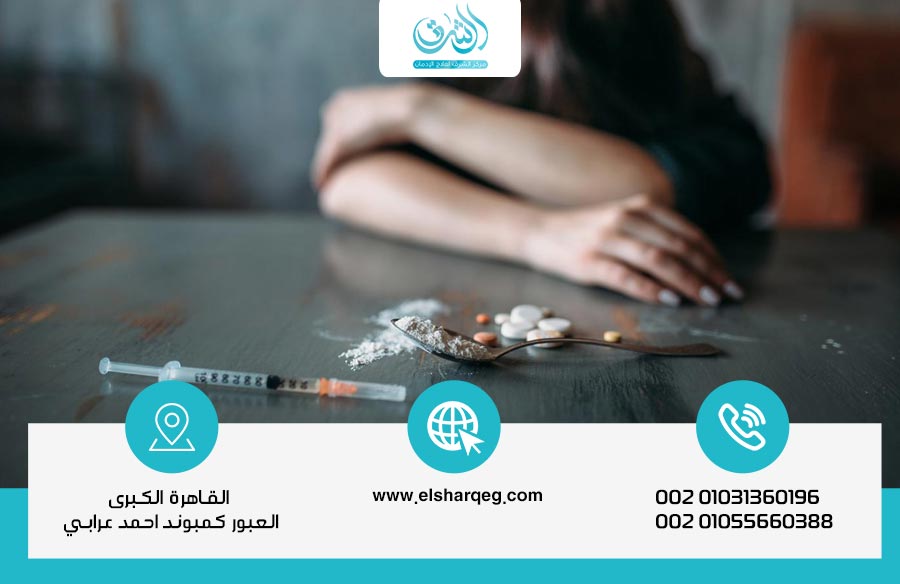
The most dangerous types of drugs are considered one of the biggest challenges facing modern societies, as they directly affect an individual’s mental and physical health, causing widespread social and economic destruction. The danger of drugs varies according to their type, chemical composition, and effect on the central nervous system, as well as their methods of use and associated harms. This article highlights the most dangerous of these types, with a detailed explanation of their effects and impact on the addict and their surrounding environment, and how to treat drug addiction permanently in the best addiction treatment center.
Drugs and Their Basic Types
Drugs are chemical substances that affect the central nervous system and alter consciousness, mood, or behavior. Drugs are divided into several main types, differing in their nature and danger to humans, including:
Hallucinogenic drugs: such as LSD and magic mushrooms, which alter sensory perception and reality, and can cause psychological hallucinations that seriously affect the mind.
Stimulant drugs: such as cocaine and methamphetamine, which increase nervous system activity and lead to hyperactivity and alertness, but cause significant physical and psychological damage such as high blood pressure and heart disorders.
Sedative drugs: such as heroin and morphine, which reduce nervous system activity, and are sometimes used in medicine for pain relief, but are highly addictive and cause significant health and social deterioration.
Cannabis drugs: such as hashish and marijuana, which affect mood and perception, and cause problems with memory and concentration with repeated use.
Synthetic or manufactured drugs: such as ecstasy and new chemical drugs produced in laboratories, characterized by unpredictable and sometimes lethal effects.
The effects of these types of drugs vary between psychological effects such as anxiety and depression, physical effects such as vital organ deterioration, alongside social effects such as isolation, job loss, and family breakdown. Therefore, knowing the types of drugs and their dangers is crucial for prevention and treatment.
Most Dangerous Types of Drugs and Their Effects
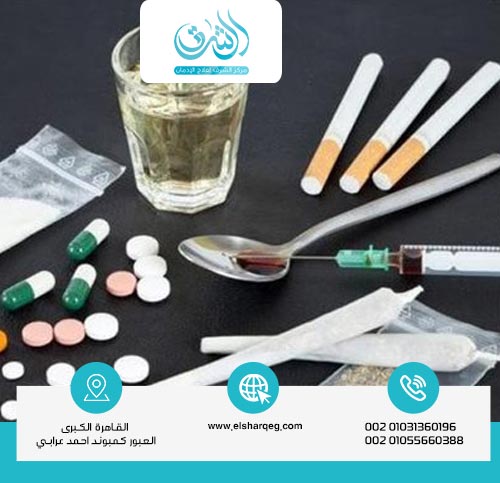
Drugs are considered among the most dangerous problems threatening individual and societal health, causing severe physical and psychological deterioration, leading to family breakdown and deterioration of social and professional performance. Drug types vary in their intensity and effects, but all carry significant risks to public health and pose a real challenge to prevention and drug addiction treatment efforts. In these lines, we will address the most famous and dangerous types of drugs, with a detailed explanation of each type and its effects.
1. Hashish
Hashish is a drug extracted from the cannabis plant, containing the active substance tetrahydrocannabinol (THC) which affects the brain and central nervous system. Hashish is considered one of the cannabis drugs that alter mood and perception, and is widely used in some regions for recreational or medical purposes.
Effects of Hashish
Using hashish leads to feelings of relaxation and calmness, but it also causes changes in temporal perception and difficulty in concentration and memory. Continued use can lead to psychological problems such as anxiety and depression, in addition to negative effects on the respiratory system when smoked, and increased risk of lung diseases. It can also weaken the immune system and affect the user’s mental and physical performance.
2. Marijuana
Marijuana is a form of cannabis, containing THC in varying proportions, and is used for recreational and medical purposes. It differs from hashish in preparation method and quantity used.
Effects of Marijuana
Marijuana causes effects similar to hashish in terms of relaxation and mood alteration, but it can also lead to short-term memory weakness, difficulty in concentration, and increased risk of mental illnesses such as psychosis in some cases. Repeated use can lead to psychological and physical dependence.
3. Opium
Opium is a narcotic substance extracted from the poppy plant, used medically as a pain reliever, but carries a high risk of addiction.
Effects of Opium
The effect of opium addiction causes a deep feeling of comfort and calmness, but it slows down the respiratory system and can lead to death at high doses. Addiction to it causes severe withdrawal symptoms and serious health effects such as vital organ deterioration.
4. Morphine
Morphine is an opioid compound used medically for severe pain relief, and is considered one of the strongest natural painkillers.
Effects of Morphine
Morphine leads to pain relief and temporary mood improvement, but it causes severe dependence and unpleasant withdrawal symptoms. Excessive use threatens life due to its effect on breathing and heart.
5. Cocaine
Cocaine is a stimulant drug extracted from coca leaves, and is considered one of the most dangerous substances causing severe addiction due to its strong effect on the central nervous system.
Effects of Cocaine
Cocaine leads to increased energy and euphoria for a short period, but it raises heart rate and blood pressure, and can cause heart attacks and strokes. Addiction to it causes psychological problems such as anxiety and mania, and leads to rapid deterioration of user’s health.
6. Heroin
Heroin is a powerful opioid drug manufactured from morphine, and is considered one of the most dangerous drugs due to its severe effect and rapid addiction.
Effects of Heroin
Heroin causes an intense feeling of comfort and drowsiness, but leads to severe respiratory depression and can cause death due to overdose. Addiction to it is accompanied by strong withdrawal symptoms and negatively affects body and mind health.
7. Hallucinogenic Drugs
Hallucinogenic drugs include substances like LSD and magic mushrooms, which cause radical changes in sensory and mental perception.
Effects of Hallucinogenic Drugs
These substances cause visual and auditory hallucinations and changes in thinking, and can lead to severe psychological disorders such as psychosis and anxiety. Repeated use increases the risk of chronic mental illness.
8. Alcohol
Alcohol is a narcotic and stimulant substance for the nervous system widely used in different societies.
Effects of Alcohol
Alcohol causes a state of relaxation and calmness, but negatively affects the nervous system and reduces concentration and motor coordination. Excessive consumption leads to serious health problems such as liver diseases, heart problems, and psychological and behavioral disorders.
9. Strox
Strox is a synthetic drug belonging to the hallucinogen category, used illegally and considered one of the very dangerous substances.
Effects of Strox
Strox causes severe hallucinations and loss of consciousness, and can lead to violent and dangerous behavior threatening the user’s life and those around them. Its unknown effect makes it difficult to deal with its symptoms and leads to many health and psychological problems.
10. Tramadol
Tramadol is a prescription pain reliever, but has become common as an illegal drug due to its narcotic effects.
Effects of Tramadol
Tramadol causes feelings of comfort and calmness, but can lead to psychological and physical addiction, and unpleasant withdrawal symptoms. Misuse causes problems in the respiratory system and heart.
11. Digital Drugs
Digital drugs are sounds or audio frequencies broadcast electronically claiming to cause effects similar to real drugs.
Effects of Digital Drugs
Although they don’t contain chemicals, their use can cause dizziness, headache, and anxiety. Their effect is not scientifically proven conclusively, but they may harm mental health due to their effect on the brain.

Common Harms of most Dangerous Types of Drugs
The most dangerous types of drugs cause a wide range of harms affecting physical and mental health, and their effects extend to include the social and behavioral aspects of the user. Harms vary according to the type of drug, duration of use, and dose used, but some harms remain common and occur in varying degrees among most addicts.
1. Physical Harms
- Nervous system damage: Most drugs, especially cocaine and methamphetamine, directly affect the brain, leading to destruction of nerve cells, causing memory weakness, movement disorders, and even seizures.
- Heart and respiratory diseases: such as high blood pressure, heart rhythm disorders, and heart attacks. Inhaled or smoked drugs like hashish and strox also lead to chronic inflammation in the respiratory system.
- Liver and kidney damage: especially from using chemicals or narcotic drugs like morphine and tramadol, as these organs are strained in their attempt to eliminate toxins.
- Decreased immunity and malnutrition: Drug use weakens body immunity and reduces appetite, leading to general emaciation and malnutrition.
2. Psychological and Mental Harms
- Anxiety, depression, suicidal tendencies, or panic attacks.
- Psychosis and hallucinations especially with the use of hallucinogenic drugs or strox.
- Psychological and physical dependence makes stopping use very difficult, and leads to painful and sometimes dangerous withdrawal episodes.
3. Social and Behavioral Harms
- Family relationship breakdown affects the family.
- Job loss or academic deterioration
- Performance decline, or irresponsible behavior.
- Theft or drug trafficking to provide money for use.
These harms don’t always occur at once, but accumulate over time, and worsen with continued use. Therefore, early intervention and seeking help from specialized addiction treatment centers like Al Sharq Hospital for Psychiatry and Addiction Treatment, which provides comprehensive programs for addiction recovery and complete rehabilitation, is essential.
How to Treat the most Dangerous Types of Drugs
Treating the most dangerous types of drugs is a complex process requiring specialized medical and psychological intervention, as these substances leave a profound impact on body and mind. Willpower alone is not enough; rather, comprehensive treatment programs are needed to treat addiction from its roots and rehabilitate the person to live a stable life without returning to drugs.
1. Comprehensive Case Assessment
The first step in treatment is an accurate assessment of the addict’s condition by a specialized medical team, to determine the type of drug, duration of use, general health condition, and accompanying psychological disorders.
2. Detoxification Phase
In this phase, the body is cleaned from drug effects under careful medical supervision, using safe medications to reduce withdrawal symptoms such as tension, insomnia, depression, and convulsions.
3. Psychological and Behavioral Therapy
After overcoming physical symptoms, psychological treatment phase begins, which is most important in ensuring no relapse. Cognitive Behavioral Therapy (CBT) and group and individual support sessions are used to help the person understand their psychological reasons for addiction and learn craving control skills.
4. Rehabilitation and Adaptation Programs
This phase includes supporting the person in building a new drug-free life, through training in social skills, improving family relationships, and reintegration into work or study.
5. Follow-up and Continuous Care
Follow-up after leaving the clinic is very necessary to reduce relapse risk. The recovering person is monitored periodically through therapy sessions and continuous psychological support.
Role of Al Sharq Hospital for Psychiatry and Addiction Treatment
Al Sharq Hospital is considered one of the leading institutions in addiction treatment, offering advanced treatment programs including:
- Safe detoxification under 24-hour medical supervision.
- Individual and group therapy sessions supervised by elite specialized doctors.
- Psychological and behavioral rehabilitation programs to face temptations and prevent relapse.
- Post-recovery care to ensure continued complete recovery.
If you or a loved one is suffering from addiction, Al Sharq Hospital provides support from the first step until complete recovery, with complete confidentiality and high-quality humanitarian services.
Ways to Prevent the most Dangerous Types of Drugs
Prevention from the most dangerous types of drugs is no less important than addiction treatment; rather, it is considered the first line of defense in protecting the individual and society. Prevention always starts with early awareness and is based on building a healthy supportive environment at both family and community levels. Here are the most effective prevention methods:
1. Continuous Awareness
Spreading correct information about drug harms and their psychological and physical consequences is necessary, especially among teenagers and youth. The more aware an individual is, the less likely they are to fall into the trap of drug use.
2. Family Support and Effective Communication
Family plays a pivotal role, as continuous monitoring and providing an environment full of love and trust help children express their problems instead of escaping from them.
3. Building Self-confidence and Refusal Skills
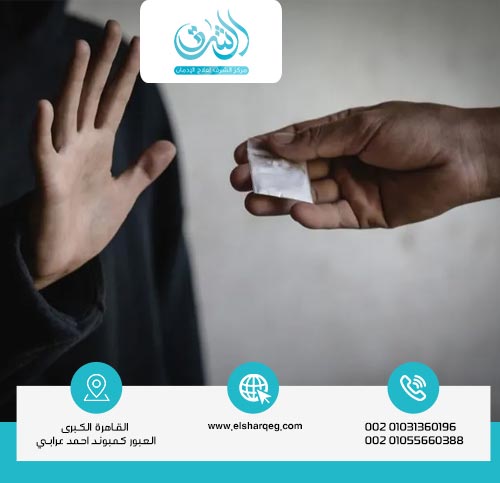
Teaching children how to say “no” confidently, and developing skills to deal with psychological pressure, protects them from being led by bad companions or experimenting with drugs out of curiosity.
4. Occupying Free Time
Free time is one of the biggest risk factors, so it’s preferred to involve youth in sports, cultural, or volunteer activities that give them a sense of achievement and belonging.
5. Early Screening and Psychological Support
Discovering any behavioral or psychological changes that might indicate the beginning of a problem requires quick intervention from specialists. Here comes the role of institutions like Al Sharq Hospital for Psychiatry and Addiction Treatment, which provides preventive programs and early consultations before risk turns into actual addiction.
How to Know if Someone is Using Drugs?
Discovering that someone close might be using drugs is difficult, but necessary for early intervention and help in starting the journey of drug addiction treatment. There are a set of psychological, physical, and behavioral signs that may indicate drug use, varying in severity according to the type of drug and period of use.
Psychological Signs:
- Sharp mood swings: such as moving from excessive happiness to anger or depression without clear reason.
- Sudden isolation: person’s withdrawal from social or family activities they used to participate in.
- Indifference: loss of interest in study, work, or any daily responsibilities.
- Continuous tension or anxiety: or excessive feeling of suspicion and doubt.
Physical Signs:
- Redness or dilation of eye pupils.
- Significant weight loss or gain in a short period.
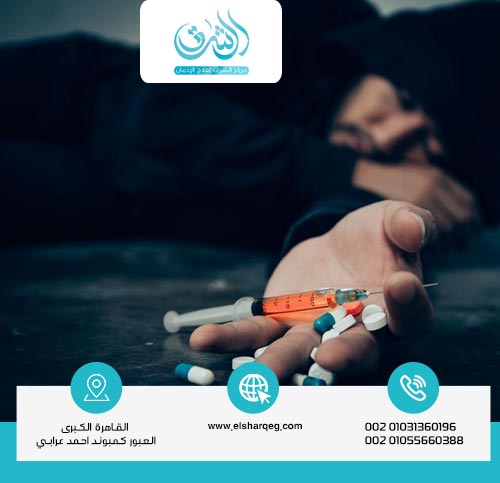
- Skin marks such as injection marks or burns on fingers.
- Strange smell from clothes or mouth (depending on drug type).
Behavioral Signs:
- Frequent or unjustified requests for money.
- Constant lying and trying to hide life details.
- Disappearance of belongings from home (often to sell them for money).
- Deterioration of personal relationships with family or friends.
If these signs appear on someone, it’s important to be patient and wise in dealing with them, while trying to provide psychological support and guidance to specialized addiction treatment centers like Al Sharq Hospital for Psychiatry and Addiction Treatment, where cases are handled with complete confidentiality and comprehensive treatment programs.
What Drives a Person to Use Drugs?
Drug use usually doesn’t happen suddenly, but is the result of accumulation of multiple factors affecting the individual psychologically and socially. Often, a person resorts to drugs as a means of escaping from a painful reality, or for a temporary experience of euphoria and comfort, without realizing the dangerous consequences that may result from that. Motives for use differ from person to person, but they all share being a result of imbalance in psychological or environmental surroundings.
Psychological pressures such as anxiety and depression or escaping from life problems.
Bad companions and negative influence of social environment.
Curiosity and love of experimentation especially among teenagers.
Absence of family awareness and supervision.
Emotional or family traumas such as loss or domestic violence.
Emptiness and lack of self-confidence.
Using it as a pain reliever that turns into addiction over time.
All these factors may intertwine and lead the person to the path of drug use if they don’t find appropriate support and containment.
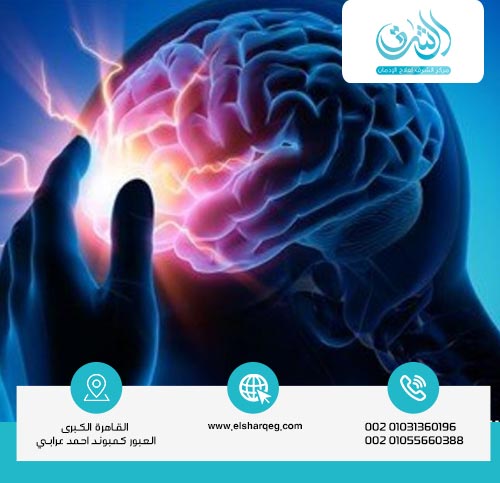
When using drugs, deep changes occur in brain chemistry and its natural functions, specifically in how nerve cells communicate. Here’s exactly what happens:
What Happens to the Brain when Using Drugs?
- Sudden increase in dopamine
Most types of drugs (like cocaine and heroin) stimulate the release of large amounts of “dopamine”, which is responsible for feelings of happiness and euphoria. This unnatural increase gives a temporary feeling of pleasure, but exhausts the brain and changes how it works. - Disruption in brain’s reward system
Over time, the brain stops naturally releasing dopamine, and becomes dependent on the drug to get feelings of happiness. This causes addiction, where the person needs to continuously use the substance to feel comfortable. - Damage in areas responsible for thinking and memory
Drugs affect the brain’s frontal lobe, responsible for decision-making, attention, and behavior control. Therefore, the addict shows impulsiveness, weak concentration, and making dangerous decisions. - Changes in brain structure and functions
Chronic use leads to shrinkage of some brain areas, and deterioration of cognition, learning, and self-control functions.
Consequently, the brain no longer works normally during and after use, and may take a long time to regain its balance, even after stopping drugs, which shows the importance of treatment and psychological rehabilitation after addiction.
The most dangerous types of drugs remain a real threat to individuals and communities, not only destroying physical and mental health but also extending their effects to family breakdown, loss of future prospects, and increased crime rates. Dealing with this danger isn’t limited to treatment alone; it begins with awareness and prevention, and continues through providing appropriate support for recovering individuals to prevent relapse. This highlights the importance of seeking specialized and trusted facilities like Al Sharq Hospital for Psychiatry and Addiction Treatment, which offers comprehensive programs for treating and rehabilitating patients addicted to the most dangerous drugs in a safe, confidential environment using the latest therapeutic methods.
Recovery is possible, but the first step begins with acknowledging the problem and seeking help before it’s too late.