Dealing with cannabis addicts is one of the biggest challenges facing families and society, as addiction affects not only the individual’s physical and mental health but also their relationships and daily behavior. The addict needs a combination of family support and specialized treatment at this stage, as harsh confrontation or neglect can worsen the problem and increase the risk of withdrawal symptoms or relapse. Therefore, understanding the correct approaches to dealing with addiction represents the first step toward successful cannabis addiction treatment and full recovery.
How to Deal with Cannabis Addicts
Dealing with a cannabis addict isn’t easy, as they face complex psychological and physical challenges, while families suffer from anxiety and fear of losing them. During this sensitive phase, incorrect confrontation may lead to increased withdrawal symptoms or new relapses. Therefore, learning the right ways to deal with addiction becomes the first step toward successful cannabis addiction treatment.
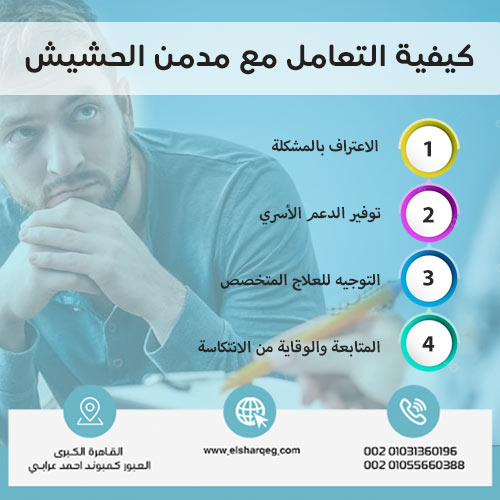
Acknowledging the Problem
Addicts often live in denial, making it difficult to convince them of the situation’s severity. The dialogue must be calm, based on listening rather than threats or blame. The goal is to help them understand that drug use affects their health and relationships, and that treatment is the only solution to regain control of their life.
Providing Family Support
Family represents the primary support system for change. Providing psychological support and containment reduces the addict’s feeling of isolation and gives them strong motivation to quit. It’s important to stay away from friends associated with drug use and live in a healthy environment that promotes commitment to treatment.
Directing to Specialized Treatment
Family support alone is not enough, as cannabis addicts need a treatment program within addiction treatment centers. Treatment begins with medically supervised detoxification to handle withdrawal symptoms, then moves to Cognitive Behavioral Therapy (CBT) to change thinking patterns and behaviors that lead to drug use.
Follow-up and Relapse Prevention
Treatment success depends on continuity. The addict must be monitored after leaving the medical center and encouraged to exercise, follow a healthy diet, and participate in group support meetings like “Narcotics Anonymous.” These steps reduce the risk of relapse and increase chances of full recovery.
Mistakes to Avoid
Major mistakes in dealing with cannabis addicts include: using violence or threats, relying on unscientific folk remedies for detoxification, or neglecting follow-up after treatment. These practices increase the risk of returning to drug use instead of helping recovery.
You may be interested in: Permanent Cannabis Addiction Treatment
How to Deal with a Spouse Addicted to Cannabis
A spouse’s cannabis addiction doesn’t just affect them alone; it impacts the entire family, especially the wife and children. In this case, dealing with the problem wisely becomes necessary to save family life and prevent its collapse. Understanding the correct approach in dealing with an addicted spouse is the first step toward helping them quit and begin cannabis addiction treatment.
Calm Communication and Problem Recognition
It’s natural for the wife to feel angry or afraid, but confrontational approaches may increase denial and push the husband to use more. It’s better to talk calmly and present facts objectively, such as the impact of cannabis on his health, work, and children. This approach increases the likelihood of him acknowledging the problem.
Family Psychological Support
The wife’s role is essential in providing a supportive environment that helps the husband feel secure, instead of exclusion or constant reprimand. Participating in treatment details and encouraging commitment to the medical plan gives the husband greater motivation to quit. Meanwhile, the wife must maintain her psychological balance through family support or marriage counseling.
Directing to Specialized Treatment
The most important step is convincing the husband to seek help at accredited addiction treatment centers, where withdrawal symptoms are managed under medical supervision, followed by psychological and behavioral therapy. This includes programs like Cognitive Behavioral Therapy (CBT) that helps change thinking patterns and behaviors that drive drug use.
Post-Treatment Follow-up and Relapse Prevention
Treatment success isn’t complete without follow-up after leaving the center. The wife should encourage her husband to exercise, maintain a healthy lifestyle, and stay away from drug-using friends. Participation in group support meetings also increases his chances of staying away from drugs.
Mistakes to Avoid
Major mistakes wives make include: using violence or insults, ignoring the problem for fear of scandal, or relying on non-medical home remedies for detoxification. These actions can lead to relapse or worsen the situation. The best solution is always combining family support with specialized treatment.
Learn about: How Long Cannabis Stays in Blood and Urine
How to Treat Cannabis Addiction According to Latest Treatment Programs
Cannabis addiction treatment is a medical and psychological challenge, combining management of withdrawal symptoms with psychological and behavioral rehabilitation. With the development of treatment programs, modern plans have become more comprehensive, focusing on integrating medical and psychological treatment to ensure recovery and prevent relapse.
Detoxification Phase
The first step in treatment is detoxification (Detox), where THC residues are eliminated from the body under medical supervision. During this phase, the patient may experience symptoms like insomnia, anxiety, loss of appetite, and nervous tension. The goal here is to safely reduce withdrawal symptoms using modern protocols and medication support when needed.
Psychological and Behavioral Therapy
After physical stabilization, psychological and behavioral therapy begins, primarily Cognitive Behavioral Therapy (CBT). This program helps patients change thoughts and behaviors that drive drug use and teaches them strategies to deal with stress and anxiety without returning to cannabis. Other programs like family therapy are also used to strengthen the family’s role in supporting the patient.
Support Groups and Rehabilitation
One of the latest therapeutic trends is relying on group support meetings like “Narcotics Anonymous,” which gives patients a sense of belonging and reduces relapse risk. Addiction treatment centers also provide comprehensive rehabilitation programs, including sports activities, art therapy, and relaxation exercises, enabling patients to build a new healthy life.
Long-term Follow-up
Treatment doesn’t end when the patient leaves the center; it requires long-term follow-up. This includes regular visits to the psychiatrist, individual or group support sessions, and monitoring triggers. The goal is to enhance psychological stability and reduce the likelihood of relapse in the long term.
Al Sharq Center for Psychiatry and Addiction Treatment
Al Sharq Center for Psychiatry and Addiction Treatment is one of Egypt’s leading specialized centers, operating with official licensing from the Ministry of Health and accreditation from the National Council for Mental Health and the General Medical Syndicate, making it a trusted destination for those seeking recovery. The center relies on comprehensive treatment programs starting with detoxification to handle withdrawal symptoms, then moving to psychological and behavioral therapy such as Cognitive Behavioral Therapy (CBT) to rebuild the patient’s personality and change thinking and behavioral patterns. The center also provides safe therapeutic residence with complete confidentiality and pays special attention to relapse prevention through continuous follow-up and family support. Thanks to its specialized medical team and integrated services, Al Sharq Center has become a leading destination for cannabis and drug addiction treatment in Egypt and the Middle East.
Frequently Asked Questions
كيف أعالج المدمن في البيت؟
علاج مدمن الحشيش في البيت صعب جدًا وخطير في كثير من الحالات، لأن الأعراض الانسحابية مثل الأرق والقلق والعصبية تحتاج إلى متابعة طبية دقيقة. يمكن للأسرة أن توفر دعمًا نفسيًا وتشجع على الإقلاع، لكن العلاج الفعّال يكون من خلال مراكز علاج الإدمان التي توفر إشرافًا طبيًا وعلاجًا سلوكيًا يقلل من فرص الانتكاسة.
هل يستطيع مدمن الحشيش تركها بدون علاج؟
قد يحاول بعض مدمني الحشيش التوقف بمفردهم، لكن هذا غالبًا ما يؤدي إلى معاناة شديدة من الأعراض الانسحابية، وقد تحدث انتكاسة سريعة. الإقلاع التام يحتاج إلى برنامج علاجي متخصص يجمع بين سحب السموم والدعم النفسي والعلاج السلوكي المعرفي (CBT).
ما هو العلاج للإقلاع عن الحشيش؟
العلاج يبدأ بمرحلة تنظيف الجسم من السموم تحت إشراف طبي، ثم الانتقال إلى برامج علاج نفسي وسلوكي تستهدف تغيير الأفكار والسلوكيات المرتبطة بالمخدر. أهم هذه البرامج العلاج السلوكي المعرفي (CBT) الذي يساعد المريض على السيطرة على الرغبة في التعاطي وتعلم مهارات جديدة للتعامل مع الضغوط.
ماذا يكره مدمن الحشيش؟
مدمن الحشيش عادة يكره المواجهة المباشرة أو التذكير المستمر بمشكلته، لأنه يعيش حالة من الإنكار. كما يكره البعد عن البيئة أو الأشخاص الذين يرتبط بهم التعاطي، ويشعر بالضيق من أي محاولة للضغط عليه دون توفير بديل آمن أو دعم نفسي.
كيف يفكر مدمن الحشيش؟
يفكر مدمن الحشيش في الغالب بطريقة مرتبطة بالرغبة في التعاطي، إذ يركز على الشعور المؤقت بالراحة أو الاسترخاء الذي توفره مادة THC، ويتجاهل الآثار السلبية على صحته ومستقبله. ومع الاستمرار في التعاطي، يعاني من ضعف التركيز، تشتت الأفكار، وصعوبة في اتخاذ القرارات، وهو ما يجعل العلاج النفسي ضروريًا لإعادة بناء طرق التفكير السليمة.